
Self Drive Tour

Locks and Locomotives

10 Days 9 Nights

From £3999.00 per person

United States

Boutique

Locks and Locomotives: Chicago to Atlanta — A Self-Drive Journey Along America’s Water and Rail Frontier

Long before railroads crossed America, water decided where its cities would rise. Chicago exists because of a portage between the Great Lakes and Mississippi watersheds. Louisville exists because of the Falls of the Ohio, the river’s only major rapids. Nashville began life as a simple landing on the Cumberland. Then, in the space of a few decades, everything changed — the same water that carried the trade now carried the trains, boiled into steam to drive locomotives that could move goods faster and farther than any river ever could.

This 10-day self-drive follows that transformation from Chicago to Atlanta, the city the railroad built twice — founded from nothing in 1837 as ‘Terminus’, the literal end of the line, before rebuilding itself after Sherman burned its rail yards in 1864. Wherever possible, this itinerary puts guests inside that history rather than just past it: sleeping in a former Pullman car, checking in to two different restored 19th-century train stations, and walking a railroad bridge that now carries only pedestrians.

Departure

Chicago

Departure Date

Various

Price From

£3999 per person

Price Includes
  • 10 Nights' Accommodation

  • Intermediate Size Rental Car

  • Local accommodation taxes

  • Chicago Architecture Cruise

Price Excludes
  • Flights (please let us know if you would like flights including at the time of enquiry)

  • Meals (unless shown in inclusions)

  • Car One Way Drop Off Fee $381 payable locally

  • Anything not shown as included

Tour Gallery
Itinerary
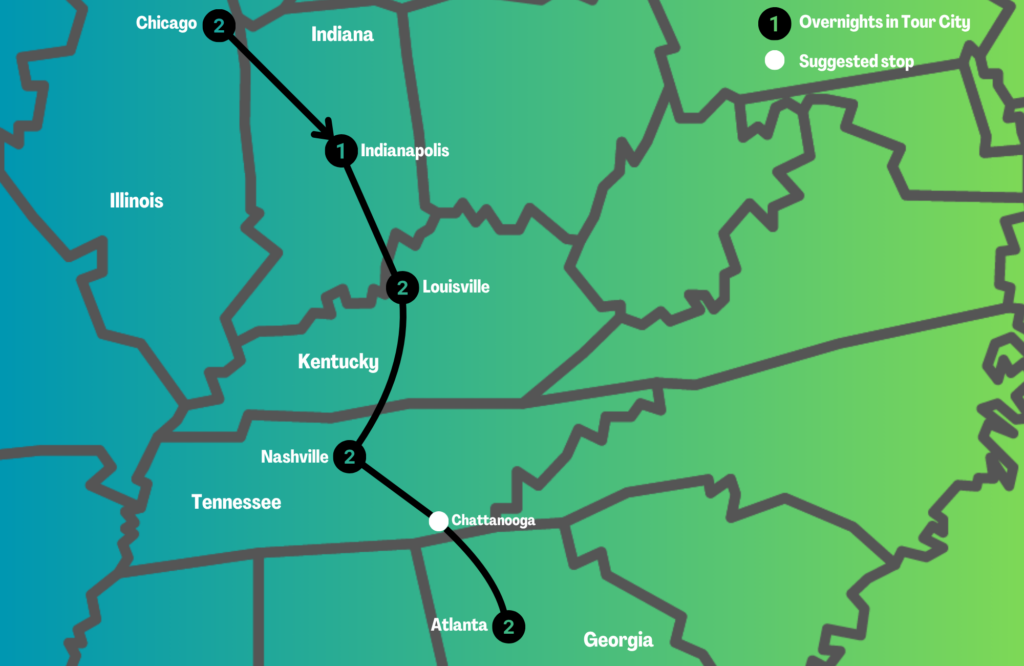
  • Day 1: Chicago

    Collect your rental car and check in to LondonHouse Chicago, a striking 1920s skyscraper on the Chicago River — and, centuries earlier, the exact site of Fort Dearborn, built at the portage between the Great Lakes and Mississippi River watersheds that gave Chicago its reason for being. This evening, a stop at the McCormick Bridgehouse & Chicago River Museum — a small museum built into an actual 1906 bridge tender's house on the DuSable Bridge — tells the story of the river's bridges and the extraordinary 1900 engineering feat that reversed its flow, before dinner nearby.

  • Day 2: Chicago

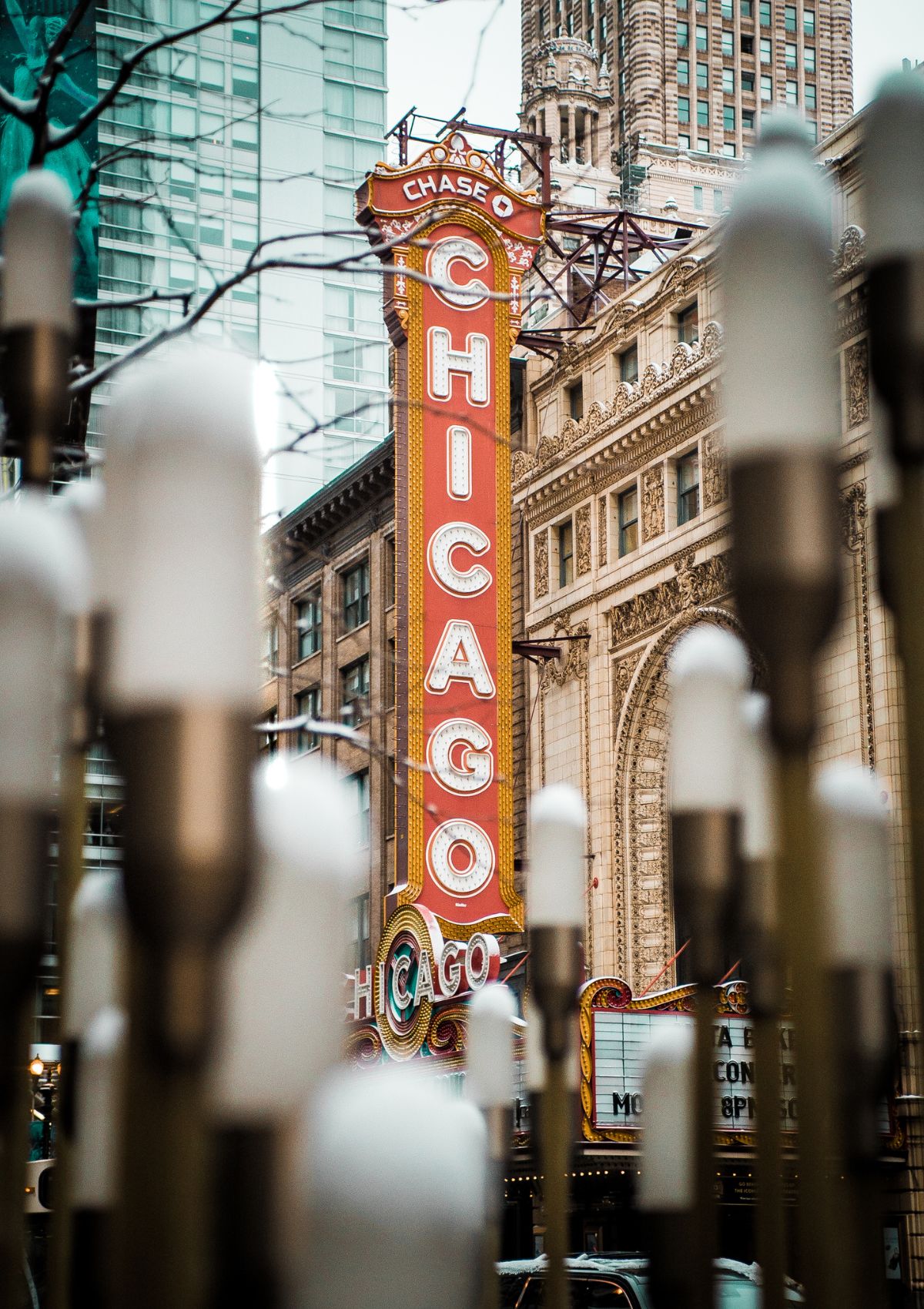
    A full day in the city, tracing the journey from portage to rail hub. Start with a late-morning Chicago Architecture Center river cruise — a 90-minute guided journey past over 50 landmark buildings, best seen in daylight. In the afternoon, visit Chicago's historic Union Station, still one of the great railway cathedrals of America, plus time at the Chicago History Museum, which covers the canal era in real depth. Evening free for the Magnificent Mile or Millennium Park.

  • Day 3: Chicago to Indianapolis

    Leaving the city, a short detour to Lockport, Illinois — the historic headquarters town of the Illinois & Michigan Canal, where original 19th-century lock structures are still visible along the towpath. Continue south to Indianapolis (approx. 3 hours total), and check in to the Crowne Plaza at Historic Union Station — America's first union station, where 26 rooms are set inside genuine 1920s Pullman train cars, resting on their original tracks. It's the boldest, most immersive stop on the whole route: guests don't just learn about the railroad era, they sleep inside it.

  • Day 4: Indianapolis to Louisville

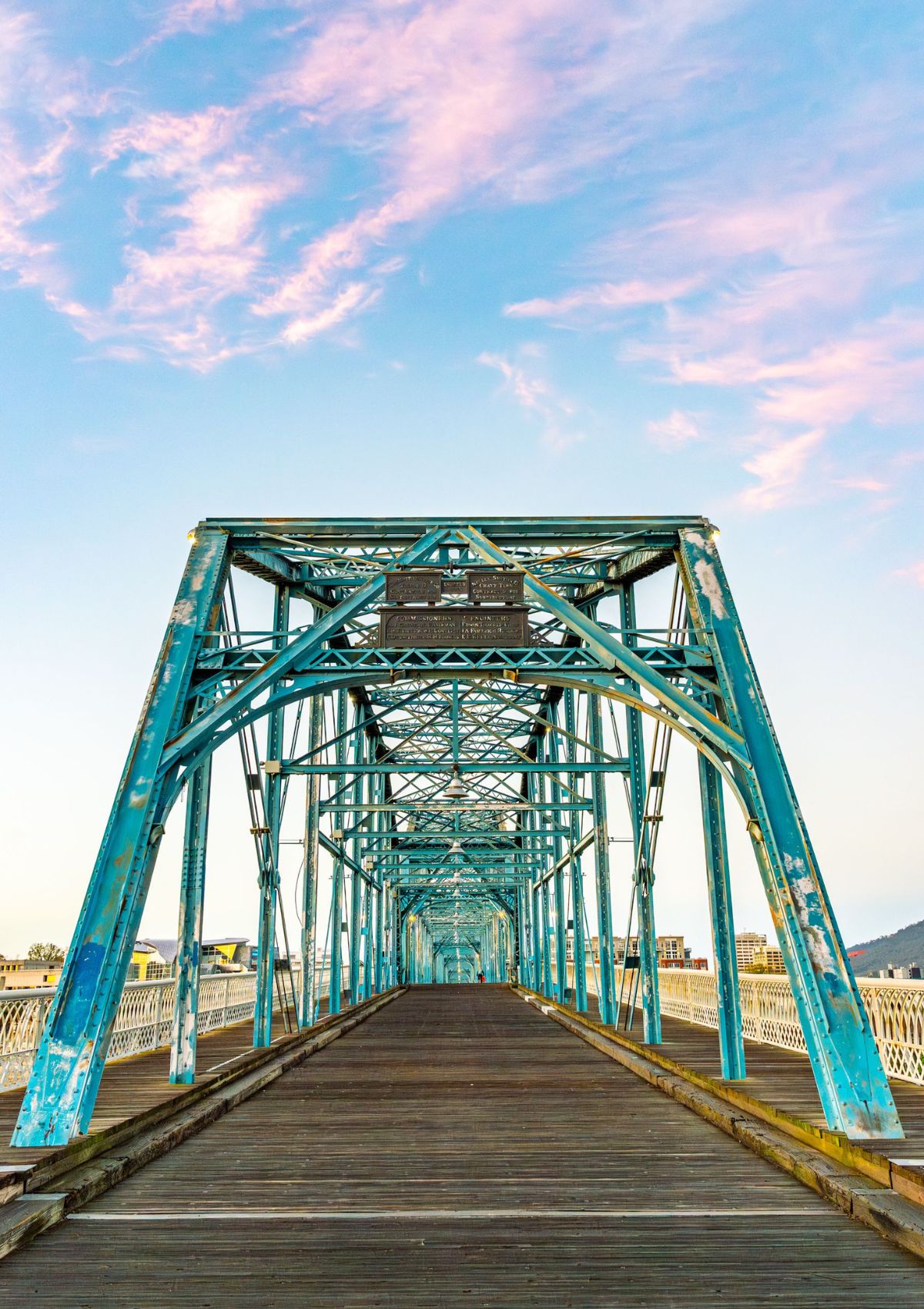
    A relaxed late-morning drive south (approx. 2.5 hours) to Louisville, and check-in at the Galt House Hotel — Louisville's only hotel directly on the Ohio River waterfront. This afternoon, walk the Big Four Bridge, a former railroad bridge across the Ohio built in 1895 and now a pedestrian crossing, and take a cruise on the Belle of Louisville, one of the oldest operating steamboats in the United States.

  • Day 5: Louisville

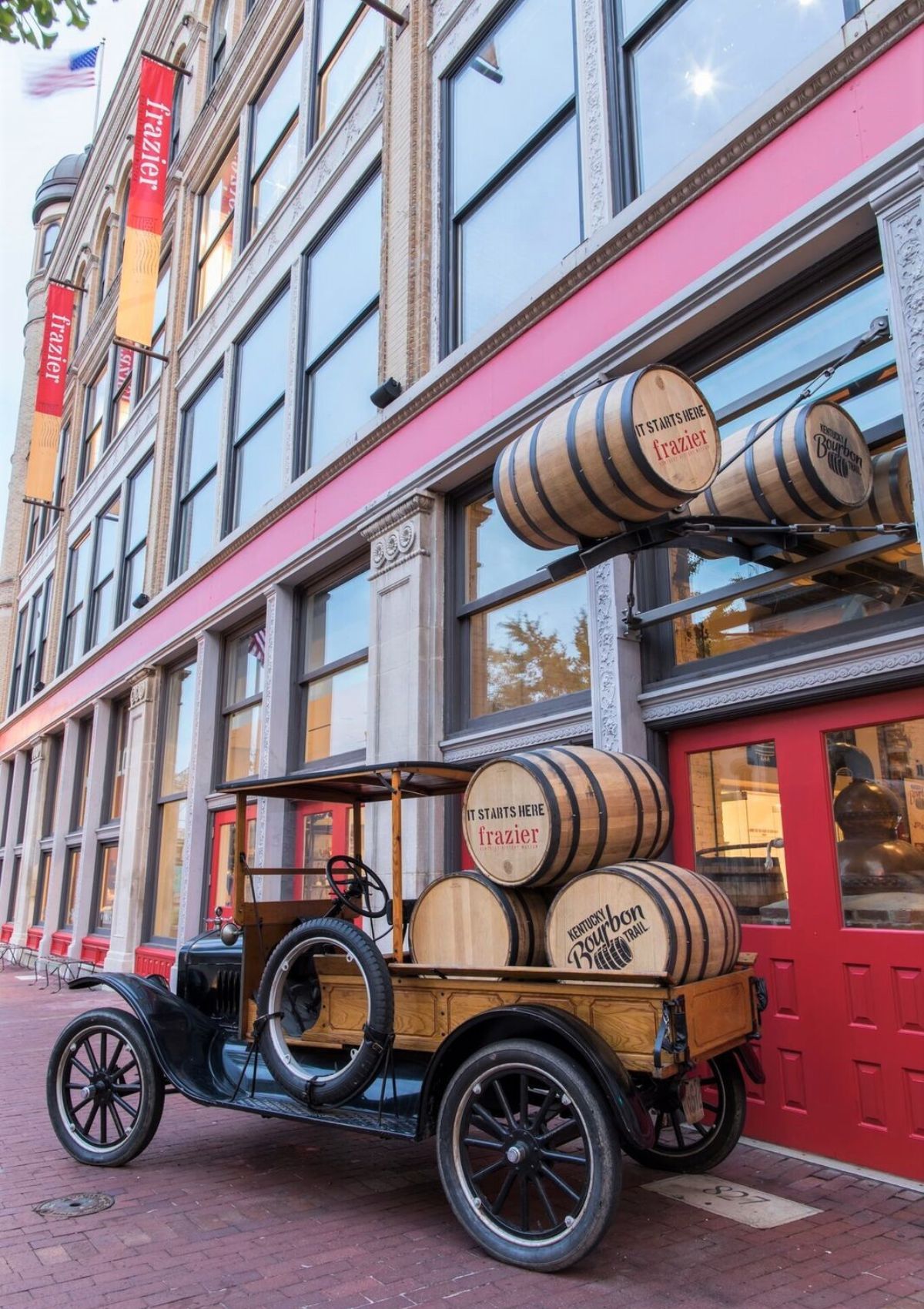
    A full day exploring how Louisville handles the pivot at the heart of this tour. Cross to the Indiana side for Falls of the Ohio State Park, where the only major rapids on the entire Ohio River once forced all river cargo into a portage — the exact problem the Louisville & Portland Canal was built to solve in 1830. Back in the city, the afternoon can take in Whiskey Row and the Urban Bourbon Trail, or Museum Row along Main Street.

  • Day 6: Louisville to Nashville

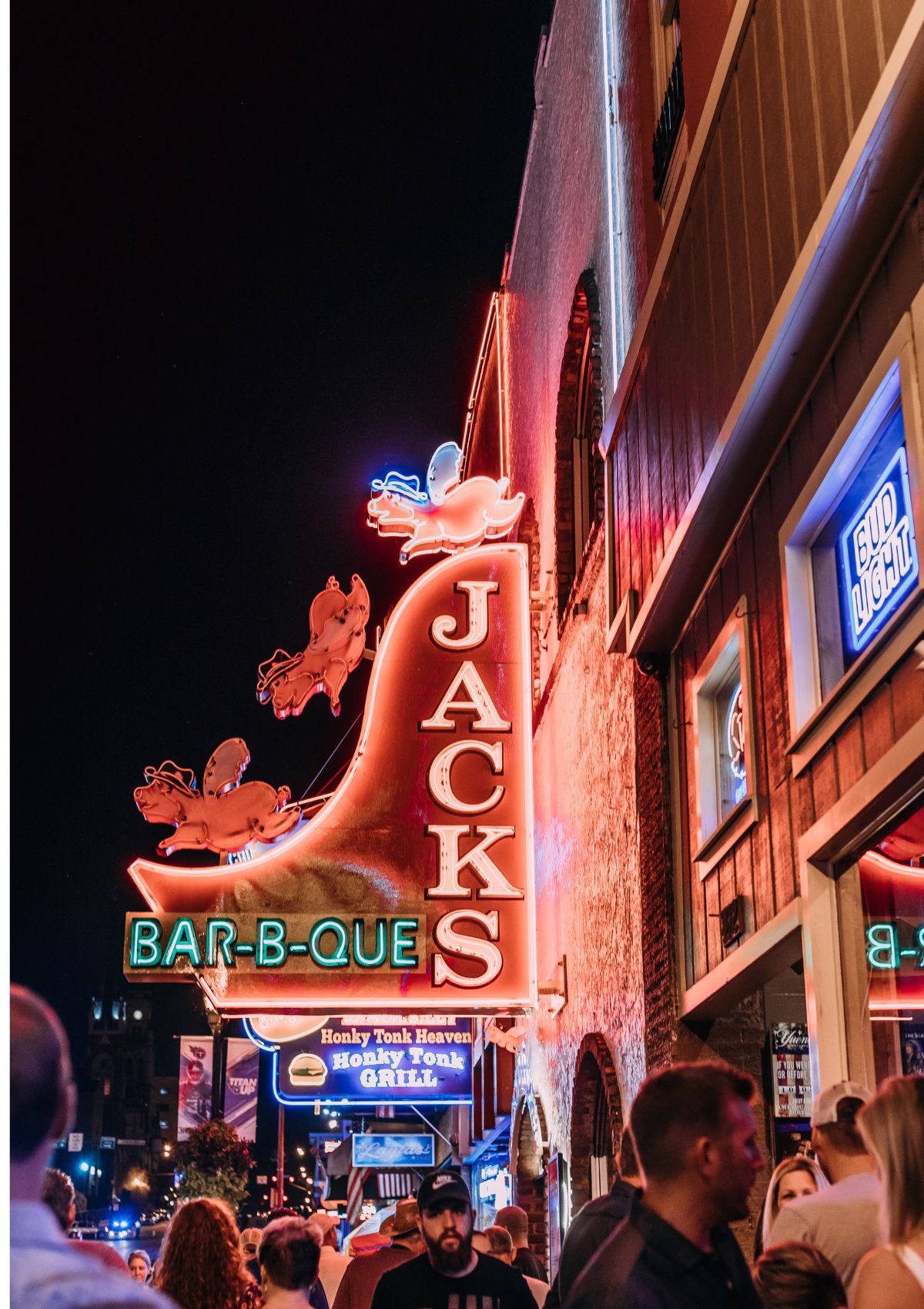
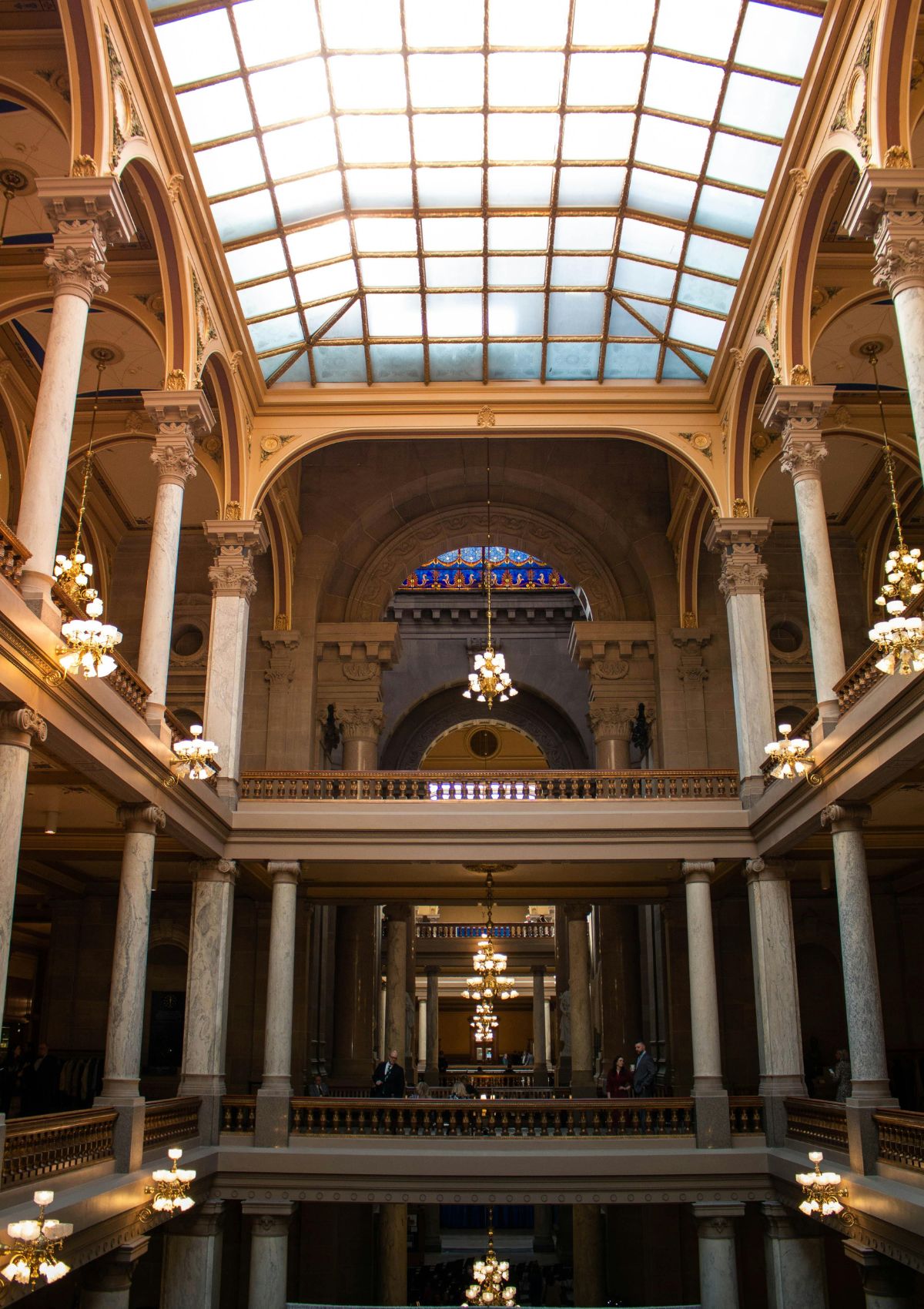
    A scenic late-morning drive south (approx. 2.5 hours) into Tennessee. Check in to Union Station Hotel Nashville — a magnificently restored 1900 railway depot, with a 65-foot barrel-vaulted stained-glass ceiling in the lobby that alone is worth the stop. Dinner within walking distance in the Gulch or on Broadway.

  • Day 7: Nashville

    A day at leisure to explore Nashville's own river-to-rail story: the city began life as Fort Nashborough, a river landing on the Cumberland, before the arrival of the railroad turned it into a major junction. The afternoon and evening are free for Broadway, the Country Music Hall of Fame, or simply enjoying the hotel itself.

  • Day 8: Nashville to Atlanta (via Chattanooga)

    A longer driving day (approx. 4 hours total), broken up by a stop in Chattanooga — arguably the emotional heart of this story. The city existed because every regional rail line converged there, which is exactly why Union and Confederate forces fought so hard over it at Missionary Ridge and Lookout Mountain. Stop for lunch at the Chattanooga Choo-Choo, the city's beautifully restored former Terminal Station, before continuing on to Atlanta.

  • Day 9: Atlanta

    A full day in the city that the railroad built — twice. Atlanta was founded in 1837 as 'Terminus', the end of the line for the Western & Atlantic Railroad, before Sherman burned the rail yards in 1864 and the city rebuilt itself as the 'Phoenix City'. Spend the day at the Atlanta History Center's 'Locomotion' exhibit, home to the restored Texas locomotive and the original Zero Mile Post marker, before an afternoon exploring Underground Atlanta, built directly over the old railroad viaducts.

  • Day 10: Atlanta Departure

    Drop off your rental car at Hartsfield-Jackson Atlanta International Airport (ATL) ahead of your onward flight home.

Hotels
  • Chicago

    LondonHouse Chicago

    A striking 1920s skyscraper on the Chicago River, LondonHouse occupies a site with a history far older than the building itself: this is the exact ground where Fort Dearborn once stood, built at the portage between the Great Lakes and Mississippi River watersheds that gave Chicago its reason to exist. Guests begin this journey standing, quite literally, at the spot where the whole story starts, with a rooftop bar overlooking the very river that carried the city's earliest trade.

  • Indianapolis

    Crowne Plaza Indianapolis - Downtown Union Station

    Built into America's first union station, this hotel offers something no ordinary property can: 26 rooms set inside genuine 1920s Pullman train cars, resting on their original tracks. It's the boldest, most immersive stop on the whole route — rather than learning about the railroad era secondhand, guests spend the night inside a real, restored piece of it, in the very station that once anchored Indianapolis's self-declared status as the "Crossroads of America."

  • Louisville

    The Galt House Hotel, Louisville

    Louisville's only hotel directly on the Ohio River waterfront, the Galt House puts guests within easy walking distance of both halves of the city's river-to-rail story: the Big Four Bridge, a 19th-century railroad crossing now open only to pedestrians, and the Belle of Louisville, one of the oldest operating steamboats in the country, still cruising the same water that first made Louisville a vital trading post before the canal and the railroad both arrived to solve its rapids problem.

  • Nashville

    Union Station Hotel Nashville, Autograph Collection

    A magnificently restored 1900 railway depot, this hotel greets guests with a lobby that alone is worth the stop — a 65-foot barrel-vaulted ceiling in stained glass, built at a time when train stations were designed as genuine civic cathedrals. Checking in here means checking in exactly where 19th-century Nashville once caught its trains, a fitting base for exploring a city that began life as a simple river landing before the railroad turned it into a major junction.

  • Atlanta

    The Glenn Hotel, Autograph Collection, Atlanta

    A stylish boutique hotel in the heart of downtown, the Glenn sits close to Underground Atlanta and the Zero Mile Post — the literal end of the old Western & Atlantic Railroad line that gave the city its first name, "Terminus." Unlike the other properties on this route, the Glenn isn't housed in a historic railway or river building itself; it earns its place through location and quality rather than its own direct story, making it a comfortable, well-placed finish to a journey that began at Chicago's founding portage.

HIGHLIGHTS

LondonHouse Chicago, built on the exact site of Fort Dearborn and the portage that gave Chicago its reason to exist

Chicago Architecture Center river cruise, a 90-minute guided journey past over 50 landmark buildings

A stop in Lockport, Illinois — headquarters town of the historic Illinois & Michigan Canal, with original locks still visible

A night inside a genuine 1920s Pullman train car at the Crowne Plaza, built into Indianapolis’s original Union Station

The Belle of Louisville, one of the oldest operating steamboats in the country, still cruising the Ohio River

The Big Four Bridge, Louisville — a 19th-century railroad bridge across the Ohio, now a pedestrian walkway

A stay at Nashville’s own Union Station, a beautifully restored 1900 railway depot with a stained-glass barrel-vaulted ceiling

A stop at the Chattanooga Choo-Choo, the city’s former Terminal Station, at the meeting point of every rail line in the region

Atlanta History Center’s ‘Locomotion’ exhibit — home to the restored Texas locomotive and the original Zero Mile Post that marked the literal end of the line and gave the city its first name

This itinerary is fully flexible and can be customised to suit your individual needs. Simply send us your request, and we’ll be delighted to provide a personalised quote.

The Chicago Portage

Long before Chicago was a city, the ground it stands on was the most important crossing point in the American interior — a narrow strip of swampy land linking the Des Plaines River to the Chicago River, and with it, the Great Lakes to the Mississippi and the Gulf of Mexico beyond. Native peoples had used this route to travel and trade for thousands of years before any European set foot on it.

In 1673, Kaskaskia guides showed the portage to French explorers Louis Jolliet and Father Jacques Marquette. Jolliet saw its potential immediately, proposing a canal to link the two rivers directly — an idea that took almost two centuries to build. The site became known as the portage “de Checagou,” after the wild onions growing there. Chicago, in other words, was named after the portage, not the other way around.

That canal — the Illinois and Michigan Canal — finally opened in 1848, cementing Chicago’s place as the hinge between America’s eastern waterways and its western interior. It’s the perfect starting point for this tour: the same crossing that built the city, just before the railroad arrived to reshape it all over again.

We gratefully acknowledge the photographers and sources whose images help bring our content to life. All photos are used with permission or sourced from licensed providers. Please contact us if you believe any credit has been omitted or if you wish to request removal of an image.

Leave a Comment:

Your email address will not be published. Required fields are marked *