Private Escorted Tour

SACRED CITIES AND HIMALAYAN FOOTHILLS

11 Days 10 Nights

From: £1599.00 per person

India

Superior

Sacred Cities and Himalayan Foothills

Step into a journey where spirituality, history, and natural beauty intertwine. From the shimmering Golden Temple of Amritsar to the colonial echoes of Shimla and the sacred riverbanks of Haridwar and Rishikesh, this private tour reveals North India at its most captivating. Along the way, you’ll uncover stories of empires and saints, experience living traditions like the Ganga aarti, and savour flavours that have delighted travellers for centuries. Every detail is taken care of, leaving you free to immerse yourself in landscapes and cultures that stir the soul and stay with you forever.

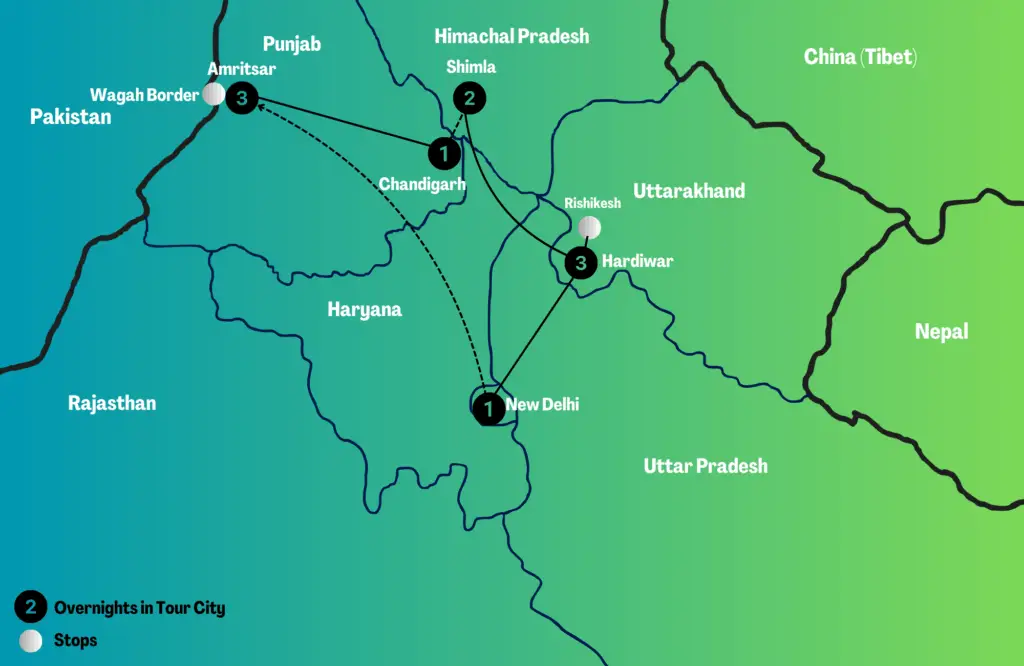
Sacred Cities and Himalayan Foothills
Departure

Delhi

Price Includes
  • 10 Nights' Accommodation

  • Transportaion in air-conditioned vehicle

  • Services of Local City Guides

  • Services of an experienced driver

  • Daily Breakfast (buffet)

  • Daily Dinner (buffet)

  • Activities and entrance fees as featured in the itinerary

  • Mineral water, juices and fruit during excursions / transportation

  • Parking and Guide fees

Price Excludes
  • International Flights (please let us know if you would like flights including at the time of enquiry)

  • Lunches

  • Anything not shown as included

Tour Gallery
Itinerary
  • Day 1: New Delhi Arrival

    Arrive at Delhi’s IGI International Airport, where you’ll be met by our representative and transferred to your hotel. Depending on your arrival time, enjoy an introduction to Delhi’s contrasts — from the Mughal grandeur of India Gate and Humayun’s Tomb to the colonial avenues of New Delhi planned by Sir Edwin Lutyens in the early 20th century. Buffet dinner and overnight in Delhi.

  • Day 2: Delhi – Amritsar by Train

    An early departure on the Shatabdi Express takes you to Amritsar. Built in 1577 by Guru Ram Das, the city became the spiritual centre of Sikhism, its very name meaning ‘Pool of Nectar’. After hotel check-in and lunch, explore the old bazaars with their spice-laden air and colourful fabric shops. Food lovers can trace the origins of Amritsari fish fry and tandoori chicken — recipes perfected here during the days of the British cantonment. Overnight in Amritsar.

  • Day 3: Amritsar – Golden Temple and Wagah Border

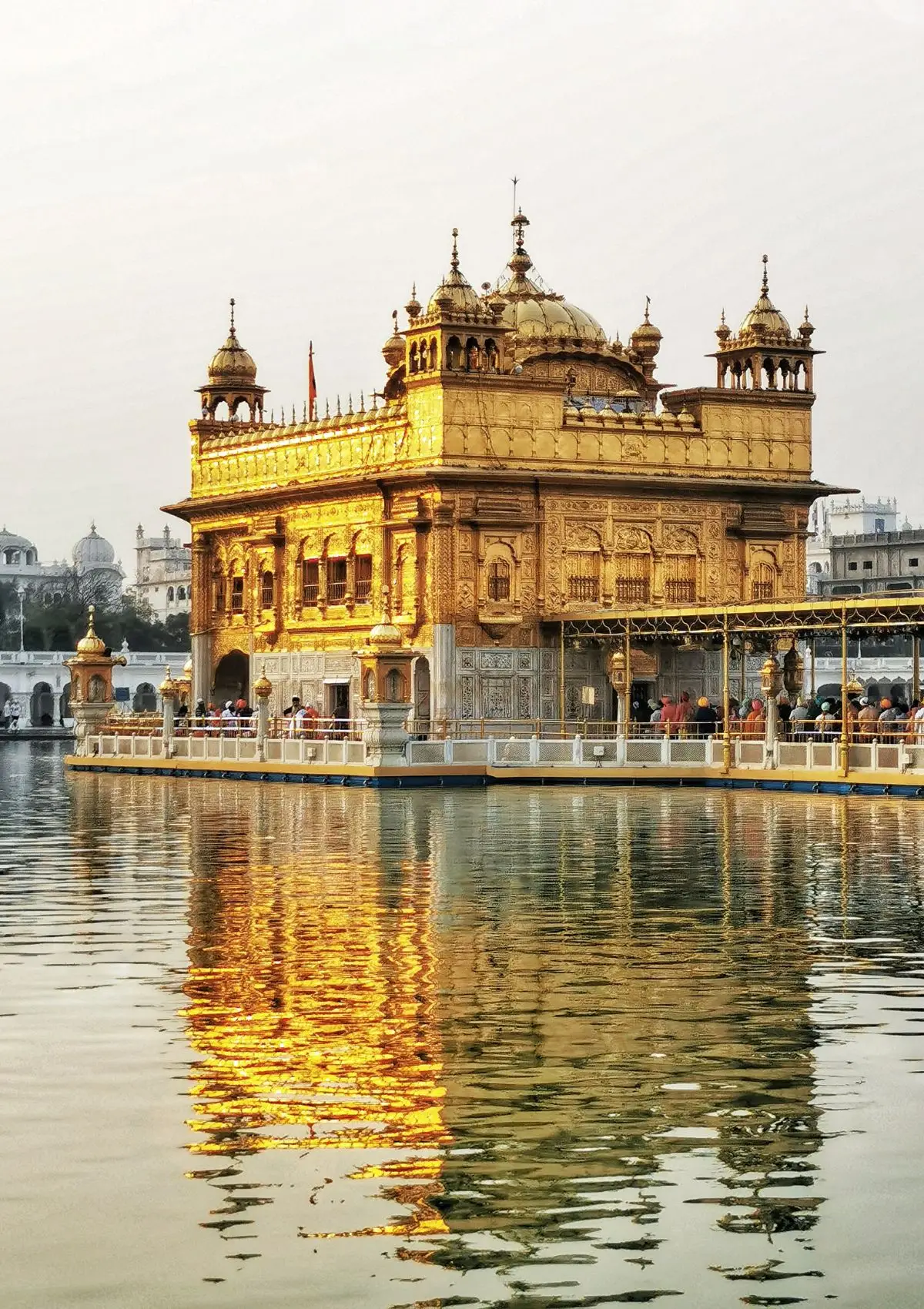
    Start the day at the Golden Temple, or Harmandir Sahib, where marble pathways and a gilded dome shimmer above the Amrit Sarovar. The vast langar (community kitchen) has fed all visitors — regardless of faith — since the 16th century, a living expression of Sikh equality. In the evening, witness the Beating Retreat ceremony at Wagah Border — a tradition dating back to 1959, where Indian and Pakistani guards perform a display of military choreography at sunset. Overnight in Amritsar.

  • Day 4: Amritsar’s Heritage and Wetlands

    Venture to Harike Wetlands, a haven for migratory birds since the 1950s. Back in Amritsar, visit Jallianwala Bagh, site of the 1919 massacre that shaped India’s independence movement, and the Partition Museum, documenting the world’s largest human migration in 1947. At Durgiana Temple, you’ll see Hindu architecture echoing Sikh design — a reminder of Amritsar’s layered heritage. Overnight in Amritsar.

  • Day 5: Amritsar – Chandigarh

    Drive to Chandigarh, India’s post-independence vision of modernity. Designed by Swiss-French architect Le Corbusier in the 1950s, it was meant as a symbol of a new nation free from colonial legacies. Wander the surreal Rock Garden, built entirely from industrial and household waste by Nek Chand, an untrained but visionary artist. At Sukhna Lake, join locals enjoying their evening promenade. Overnight in Chandigarh.

  • Day 6: Chandigarh – Shimla (via Timber Trail Ropeway)

     After a stroll in the Zakir Hussain Rose Garden, drive into the Shivalik Hills, pausing for the Timber Trail ropeway, a feat of engineering suspended high above pine forests. Continue to Shimla, once dubbed the “Queen of Hills”. In the 19th century, it became the summer capital of the British Raj, attracting viceroys, memsahibs, and tea planters seeking cool respite from the plains. Overnight in Shimla.

  • Day 7: Shimla – Colonial Heritage and Hill Walks

     Explore Shimla’s Victorian treasures, starting with the Viceregal Lodge, seat of British power where decisions leading to Partition were debated. At Christ Church, admire stained glass windows depicting virtues like Faith and Charity — reminders of Shimla’s Anglican past. Spend time strolling along the Ridge and Mall Road, once the social heart of the hill station, alive with chatter, shops, and colonial history. Dinner and overnight in Shimla.

  • Day 8: Shimla – Haridwar

    Descend the Himalayan foothills towards Haridwar, one of Hinduism’s seven holiest cities. Check in and relax with an Ayurvedic massage. As dusk falls, join the throngs at Har-Ki-Pauri ghat for the evening aarti. This centuries-old ceremony, believed to have been first performed by King Vikramaditya in memory of his brother, transforms the Ganges into a river of flickering flames. Overnight in Haridwar.

  • Day 9: Haridwar – Temples and Elephants

    Rise early for a safari in Rajaji National Park, created in 1983 and named after India’s last Governor-General. The park shelters over 500 elephants and is a key tiger habitat. Later, visit the hilltop Mansa Devi and Chandi Devi temples, linked by ropeways and steeped in centuries of devotion. Back at the ghats, observe rituals of immersion and remembrance — traditions dating back to the Vedic age. Overnight in Haridwar.

  • Day 10: Rishikesh Excursion

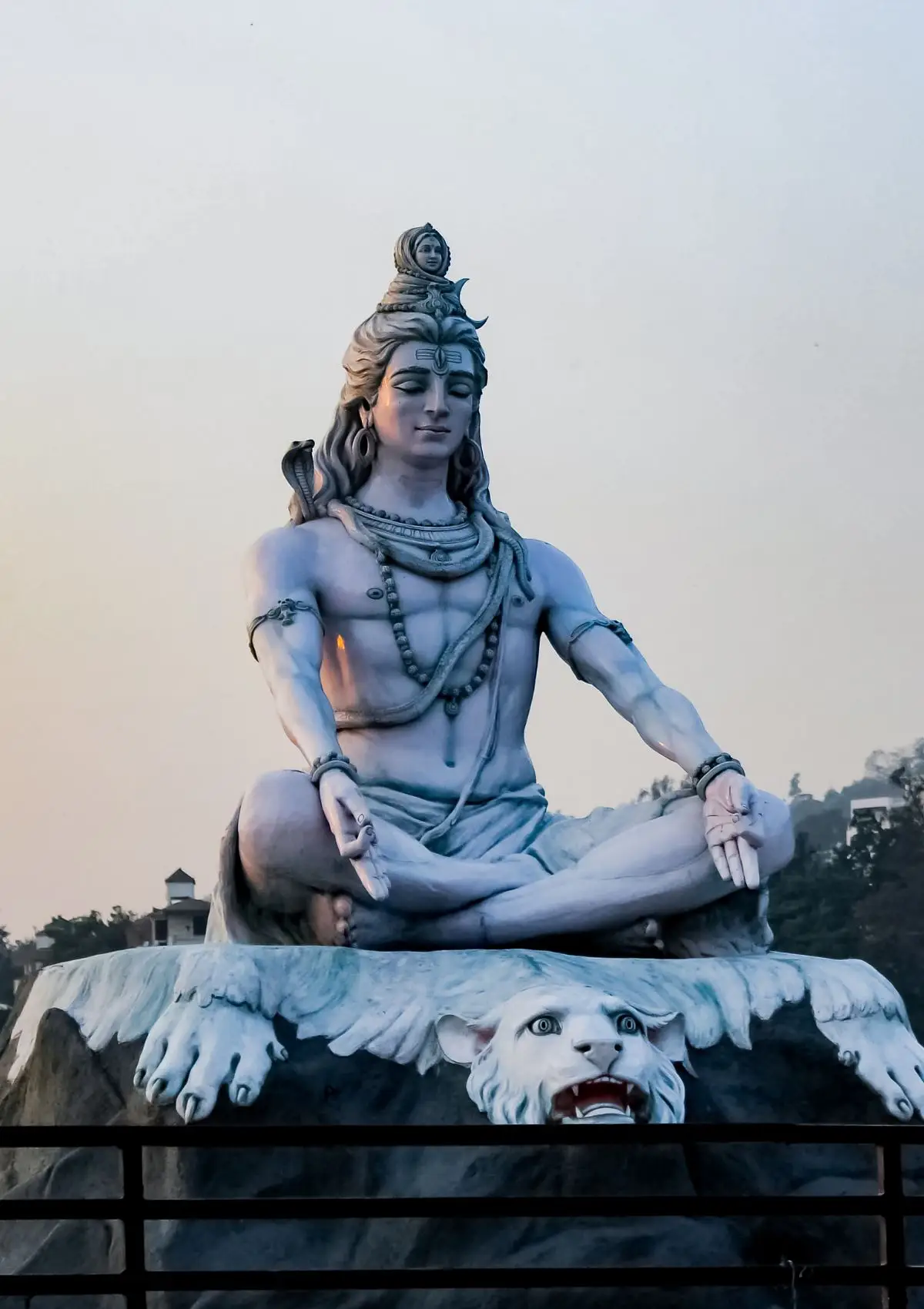
    Rishikesh became famous worldwide when the Beatles stayed at Maharishi Mahesh Yogi’s ashram in 1968, writing much of the White Album. Visit the now-ruined site, its graffiti walls a tribute to their stay. Climb the suspension bridge of Ram Jhula for sweeping Ganges views, then visit Neelkanth Mahadev Temple, where Lord Shiva is said to have consumed poison during the churning of the ocean in Hindu mythology. End your day with the mesmerising aarti at Triveni Ghat. Overnight in Haridwar.

  • Day 11: Haridwar – Delhi – Departure

    Return to Delhi for your final day. Depending on your flight schedule, there’s time to explore Old Delhi’s labyrinthine Chandni Chowk market, built in the 17th century by Mughal princess Jahanara Begum, or visit the Red Fort, seat of Mughal power. A complimentary transfer to the airport is included.

Hotels
  • New Delhi

    New Delhi : Park Inn by Radisson or Zone Connect by The Park

  • Amritsar

    Amritsar : Courtyard by Marriott or Le Meridien

  • Chandigarh

    Chandigarh : Best Western or Radisson RED

  • Shimla

    Shimla:  Snow Valley Heights  or Seclude Shimla, Taraview

  • Haridwar

    Haridwar:  Pride Elite or MJ Sarovar Portico

HIGHLIGHTS

  1. Stand in awe as the shimmering Golden Temple of Amritsar reflects on the sacred pool at sunrise.

  2. Savour sizzling street food in Amritsar’s bustling bazaars, from smoky tikkas to fluffy chola-bhatura.

  3. Stroll through Chandigarh’s rose-filled gardens and marvel at the quirky sculptures of the Rock Garden.

  4. Glide across the Shivalik Mountains on a thrilling cable car ride with panoramic Himalayan views.

  5. Step back into colonial history at Shimla’s Viceregal Lodge, then wander the lively Ridge and Mall Road.

  6. Experience the spiritual power of Haridwar’s evening aarti as hundreds of lamps float on the Ganges.

  7. Rise early for a wildlife safari in Rajaji National Park, home to elephants, leopards and colourful birdlife.

  8. Explore the Beatles Ashram in Rishikesh, where music, meditation and counterculture once collided.

  9. Walk across the Ram Jhula bridge for unforgettable views of the Ganges flowing through the foothills.

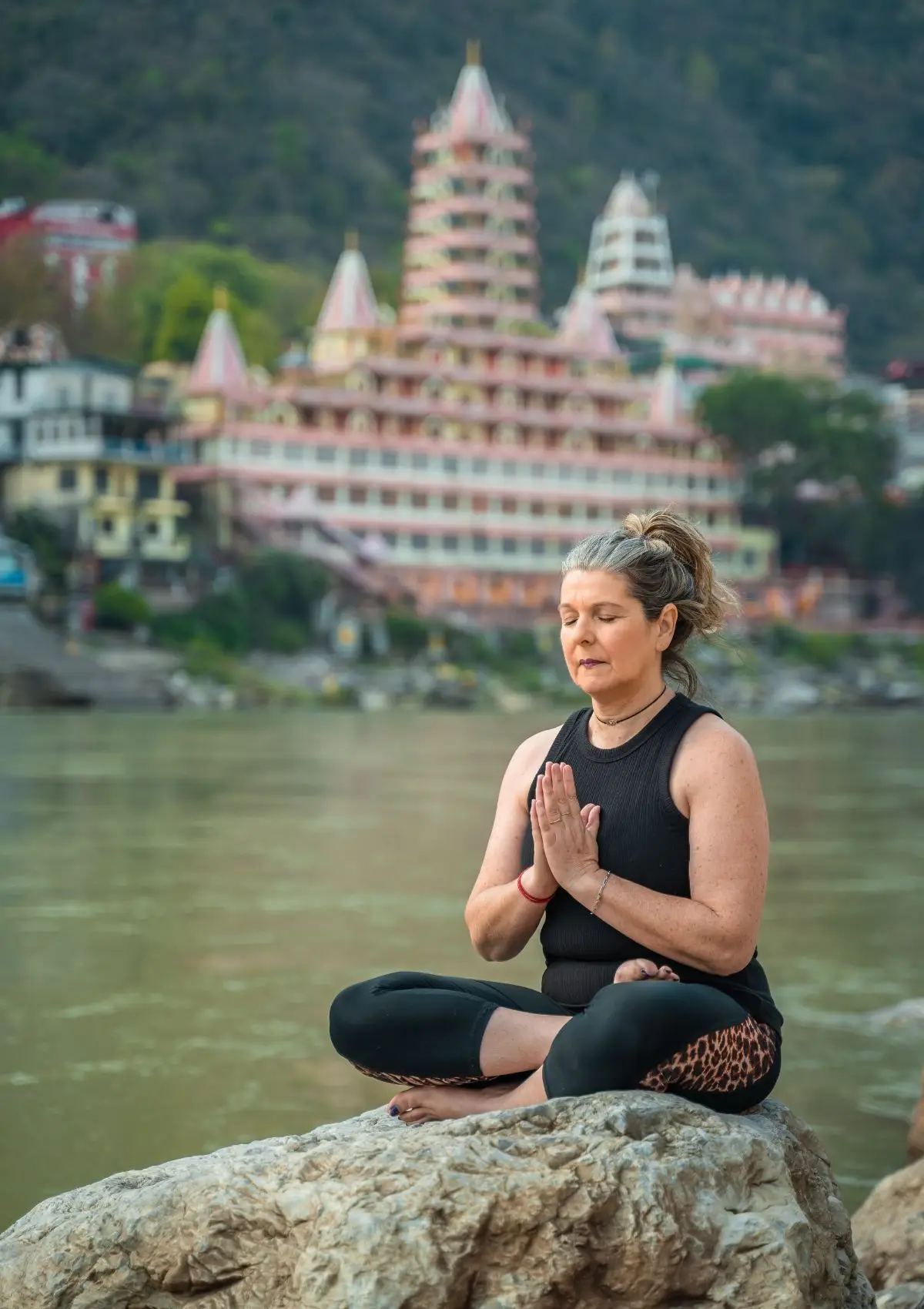
  10. Immerse yourself in yoga and meditation traditions in the sacred towns of Haridwar and Rishikesh.
  11.  

What to wear!

India’s diverse climate and cultural norms mean packing smart and dressing appropriately can enhance your travel experience.

  • Lightweight, breathable clothing – Opt for cotton or linen fabrics, especially in warm and humid regions.
  • Modest attire – Covering shoulders and knees is advisable, especially when visiting temples, mosques, or rural areas. Women may find a scarf or shawl useful.
  • Comfortable walking shoes – Essential for city explorations, temple visits, and nature walks.
  • Layers for cooler areas – If travelling to hill stations or national parks, pack a light jacket or shawl.
  • Sun protection – A hat, sunglasses, and high-SPF sunscreen are essential for hot and sunny days.
  • Loose trousers or maxi skirts – Comfortable, culturally appropriate, and practical for long travel days.

Dressing appropriately ensures comfort, respect for local traditions, and an enjoyable experience throughout your journey.

We gratefully acknowledge the photographers and sources whose images help bring our content to life. All photos are used with permission or sourced from licensed providers. Please contact us if you believe any credit has been omitted or if you wish to request removal of an image.

Specific credits go to:

Some images used courtesy of Ministry of Tourism, Government of India / Incredible India

Leave a Comment:

Your email address will not be published. Required fields are marked *