
December 1, 2025

If you already feel at home behind the wheel but have never driven in Canada, it can all feel a bit unknown. Long empty highways, snow piled higher than the car roof, and road signs in two languages, sometimes on the same post. Driving in Canada is perfectly manageable, though, once you understand a few key rules and habits.
This guide walks you through licences, road rules, winter conditions, and what to carry with you, using clear, up‑to‑date examples. Think of it as driving with a calm local sitting in the passenger seat, pointing things out as you go.
Before anything else, you need the right licence. Canada recognises many foreign licences, but details change by province and by how long you plan to stay.
As a broad rule, short‑term visitors can drive on their home licence for a limited period, often up to 90 days. Some provinces also recommend or expect an International Driving Permit (IDP), which you must get before you leave home. The federal government gives a good overview in its official guide to driving in Canada for newcomers and visitors.
Rules then start to split by province and territory:
Quebec, Alberta, and other provinces each have their own timelines and exchange rules. Because these keep changing, always check the latest information on the official provincial website before you travel.
Keep these with you whenever you drive:
If you are renting, the hire company will expect a credit card in the main driver’s name and may charge extra for young drivers under 25.
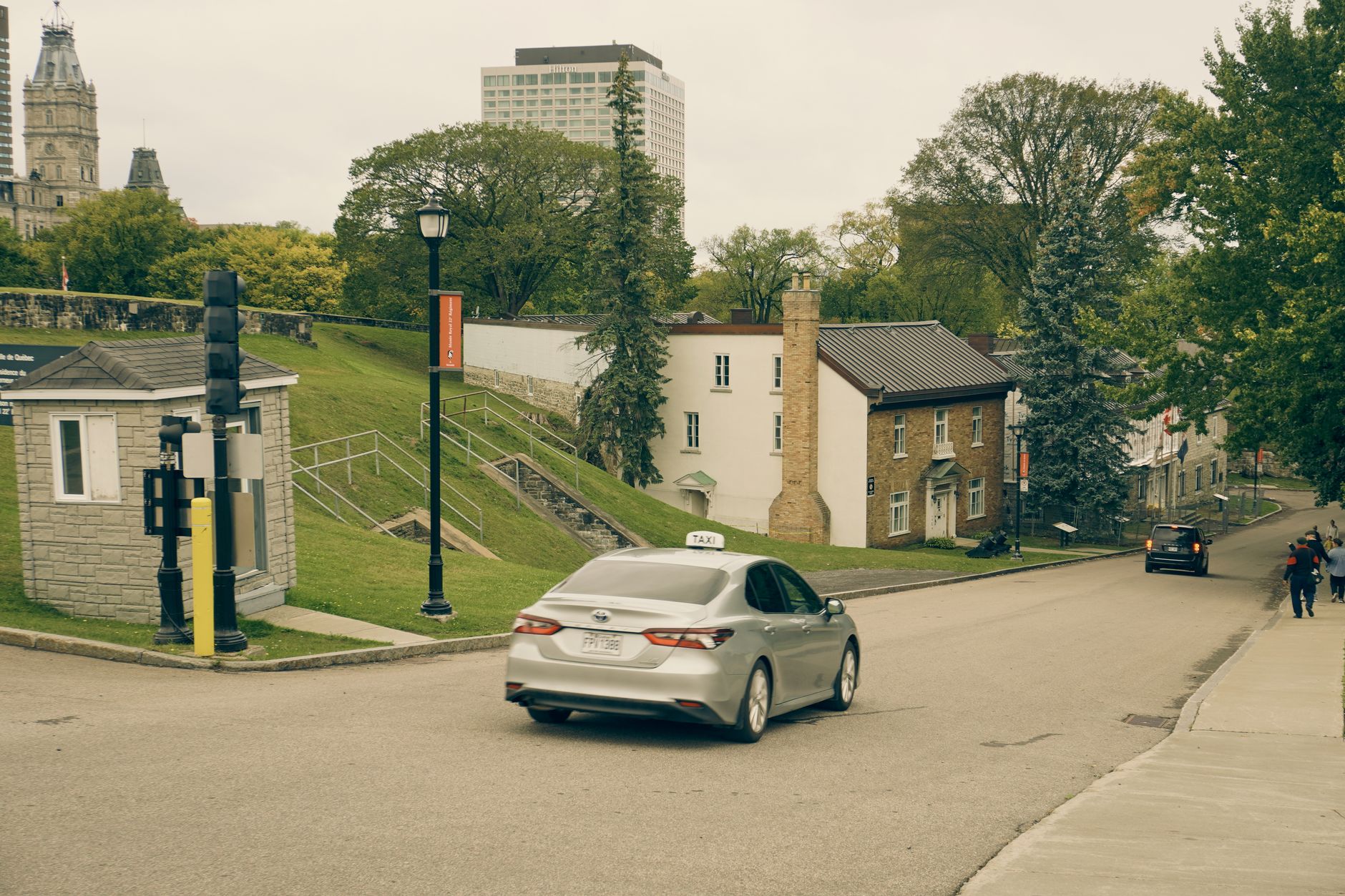
Photo by Abdel Achkouk
At first glance, road rules in Canada look familiar to drivers from the US or continental Europe. There are some quirks, though, that catch newcomers out.
You drive on the right and overtake on the left. All speed limits and distances use kilometres, not miles. If you are used to mph, it helps to remember a few rough comparisons, such as 100 km/h being about 62 mph.
Typical posted limits (always follow the sign if different):
| Road type | Usual limit (km/h) |
|---|---|
| Urban streets | 40–50 |
| Suburban / rural main roads | 80–90 |
| Multi‑lane highways | 100–110 |
Residential areas, school zones, and city centres often have lower limits, and photo radar is common in some cities, so it pays to slow down early.
Most provinces allow a right turn on a red light after you come to a full stop and check for traffic and pedestrians. The big exception is the island of Montreal, where turning right on red is largely banned. Look for “No right on red” signs too, especially at busy junctions.
Four‑way stop signs are very common. The general rule is simple:
It feels a bit like a polite conversation at the junction. The first few times can be awkward, then it becomes second nature.
Across Canada:
Legal blood alcohol limits also vary slightly by province, but police take impaired driving very seriously. Penalties range from fines to licence suspension, and for new or young drivers the rules can be even tighter. The safest rule is simple: if you drink, do not drive at all.
If you have only ever driven on dry roads, Canadian winter feels like a different planet. The first time I left a cosy hotel in January and found the car buried in snow, I understood why locals talk about winter tyres in almost reverent tones.
The federal agency Transport Canada offers practical advice in its guide to driving safely in winter. Their message is clear: proper winter tyres on all four wheels give far better grip than all‑season tyres once temperatures drop.
Tyre rules are not the same everywhere:
A handy summary of current rules is available from Continental’s guide to winter tyre laws in Canada. Other provinces, like Alberta and Saskatchewan, do not legally require winter tyres, but conditions can still be extreme. For safety, many locals fit them anyway.
If you are renting a car for a winter trip, ask clearly for winter tyres and check they are fitted before you drive away.
A few habits make a huge difference on snow and ice:
In very cold regions, you may see parked cars plugged into electrical sockets. These are block heaters that help engines start on bitter mornings. If you are staying somewhere remote in mid‑winter, ask your host how locals look after their cars.
Once you leave the big cities, the scale of Canada becomes very real. Hours of forest, lakes, and rock, with just the odd fuel stop or diner. It is beautiful but it demands respect.
Wildlife is one of the main hazards. Deer are common almost everywhere, and in some areas you may see moose, elk, or even bears near the road. They tend to be most active around dawn and dusk.
A few simple habits help on rural roads:
Fuel, food, and mobile coverage can be patchy on remote routes. Keep your tank at least half full, have water and snacks in the car, and let someone know your planned route and arrival time on long days.
Think of your car as a tiny travelling base. A little preparation goes a long way, especially in winter or on rural roads.
Useful items include:
Some provinces and territories have extra rules for commercial vehicles, but for most visitors, this list covers the basics.
If you are planning a fly‑drive holiday, hiring a car or motorhome is often the easiest option. Most major firms are present at Canadian airports, and many include winter tyres in snowier regions as standard during the season.
Check:
If you prefer someone else to handle the planning, companies like Rendezvous Roadtrips design tailor‑made routes across Canada, from short coastal loops to long cross‑country drives, with cars, motorhomes, or small‑group options. That can be a reassuring way to tackle a first Canadian road trip, especially if winter or mountain driving feels new.
Driving in Canada rewards you with huge skies, quiet back roads, and the simple joy of rolling into a lakeside town just as the sun drops. With the right licence, an eye on local rules, and respect for winter and wildlife, it feels far less daunting than it first appears.
Keep an eye on official provincial websites for the latest licensing and tyre rules, plan generous driving days, and give yourself time to enjoy the journey rather than rush it. If you are starting to sketch out your own Canadian drive, that curiosity is already the best preparation you could have.