
June 12, 2026

The Dolomites can make even a sensible planner go a bit greedy. One look at the map, and suddenly every lake, mountain pass, and cable car feels non-negotiable.
A better first trip is slower, tidier, and far more enjoyable. This Dolomites road trip keeps the driving realistic, splits the week between two easy bases, and leaves room for the sort of moments you will remember most: a mountain coffee, a short walk, a long lunch, or that late light on the peaks.
Here is how to navigate the Italian Dolomites without turning your holiday into a frantic chase; follow this road trip itinerary to ensure a smooth and memorable mountain adventure.
For a first visit, give yourself 5 to 7 days if you can. Three days is enough for a quick look, but a week is where the Dolomites start to breathe. You stop watching the clock, you stop treating viewpoints like errands, and the whole trip feels calmer.
For 2026 planning, the easiest window to experience the Italian Dolomites is mid-June to early October. Most mountain roads are open, the main lifts are running, and hiking paths are usually clear. Early July and September are especially good. August is beautiful, but it is also busy, pricier, and warmer in the valleys. If you can avoid the Ferragosto period, do.
For UK travellers, the easiest airports are usually Venice, Verona and Innsbruck. Venice is the best all-round choice, with lots of flight options and a straightforward drive into the eastern and central Dolomites. Verona often works well if price matters more than drive time. Innsbruck is brilliant if you want the shortest mountain approach into South Tyrol, especially for the northern side of the region.
A few basics make a huge difference. Hire a small rental car, not a bulky one. The roads are fine, but village lanes, hotel car parks and some pass pull-ins are much happier with something compact. If you prefer automatic, book early, because manuals are still common in Italy. Along the way, you might consider an optional detour to the scenic Val di Funes, which adds a stunning perspective to your journey.
If you want more pre-trip reading, this planning handbook for a first Dolomites drive is a helpful companion. It pairs well with the simple rule that matters most here, pick fewer places, then enjoy them properly.
The cleanest plan for a Dolomites road trip is to split your stay between Ortisei in the west and Cortina d Ampezzo in the east. This approach provides two strong bases with easy access to the region’s headline scenery, ensuring you spend far less time repacking the car. By using Ortisei as your initial base and moving to Cortina d Ampezzo later in the week, you maximize your time exploring the mountains rather than managing hotel logistics.
Ortisei is the best all-round choice for your first few days, offering perfect access to the sights of Val Gardena, Seceda, and Alpe di Siusi. For the second half of your trip, Cortina d Ampezzo is the ideal eastern hub. From there, you are within easy reach of iconic highlights like the picturesque Lago di Braies, the towering peaks of Tre Cime di Lavaredo, the dramatic views at Passo Giau, and the jagged spires of Cinque Torri. If you prefer a quieter atmosphere than the polished streets of Cortina, San Candido is a great alternative, while travelers arriving via Innsbruck might find that Bruneck makes sense as a convenient first stop.
This is the route at a glance:
| Day | Route | Approx. drive time | Overnight base |
|---|---|---|---|
| 1 | Venice, Verona or Innsbruck to Ortisei | 2 to 3.5 hrs | Ortisei |
| 2 | Val Gardena, hiking trails and lifts | Minimal | Ortisei |
| 3 | Sella Pass scenic loop | 2 to 3 hrs local driving | Ortisei |
| 4 | Ortisei to Cortina via Alta Badia and Falzarego | 3 to 4.5 hrs with stops | Cortina |
| 5 | Lago di Braies and Tre Cime di Lavaredo | 2.5 to 4 hrs local driving | Cortina |
| 6 | Passo Giau, Cinque Torri and Cortina | 2 to 3 hrs local driving | Cortina |
| 7 | Cortina to your airport | 2.5 to 4.5 hrs | Departure |
Two bases are enough for a first trip. The mountains look close on a map, but frequent hotel changes eat the best hours of the day.
If your flight home leaves early, consider adding a final airport night in Venice or Verona. That small change can save you from a tense last morning on the road.
Drive straight to Ortisei unless you land late. From Venice, expect around 3 to 3.5 hours without heavy traffic. Verona is a little shorter, and Innsbruck is shorter still. Once you reach Ortisei, you are situated in the heart of Val Gardena, where the shift in atmosphere is immediate. The roads rise, church towers appear, and the peaks start doing that dramatic theatre-set thing the Dolomites do so well.
Keep the first afternoon easy. Walk around Ortisei to take the edge off the travel day, and get an early night if you need it. A short stroll, a proper meal, and a bit of mountain air are enough. If you arrive with energy to spare, nearby Santa Cristina or Selva di Val Gardena are simple add-ons.
This is where first-timers often overdo it. Seceda looks irresistible. So does Alpe di Siusi. The answer is not trying to visit both before lunch.
Choose one for the day. Seceda is the classic, with those jagged ridges and wide meadows that look almost invented. Alpe di Siusi feels softer and more open, with rolling pastures and big mountain views. If you want the more iconic first hit, pick Seceda. If you want an easier, gentler day, pick Alpe di Siusi.
Start early. Morning light is better, parking is easier, and summer cloud tends to build later in the day. If you are walking, keep it moderate on the first full day, as the altitude sneaks up on people more than they expect.
Make day three your flexible scenic day. The easiest win is the Sella loop, using the Sella Pass, the Gardena Pass, and the roads through Corvara or Canazei depending on how you shape it. This is not a long-distance drive. It is a slow, stop-start mountain day, and that is the point.
Pull over at the marked viewpoints, wander through a village, or have lunch somewhere with a terrace. If you want a quick side trip to round out the area, drive out to Val di Funes to see the famous Santa Maddalena Church, which is one of the most photogenic spots in the region. If you prefer a short walk rather than a proper hike, Monte Pana or Vallunga are good moderate options without turning the day into an expedition.
The Dolomites reward this rhythm. Stop trying to collect landmarks, and suddenly the whole area feels richer. A good Dolomites driving overview with route ideas can help you picture the flow, but the best part of this day is how unhurried it feels.
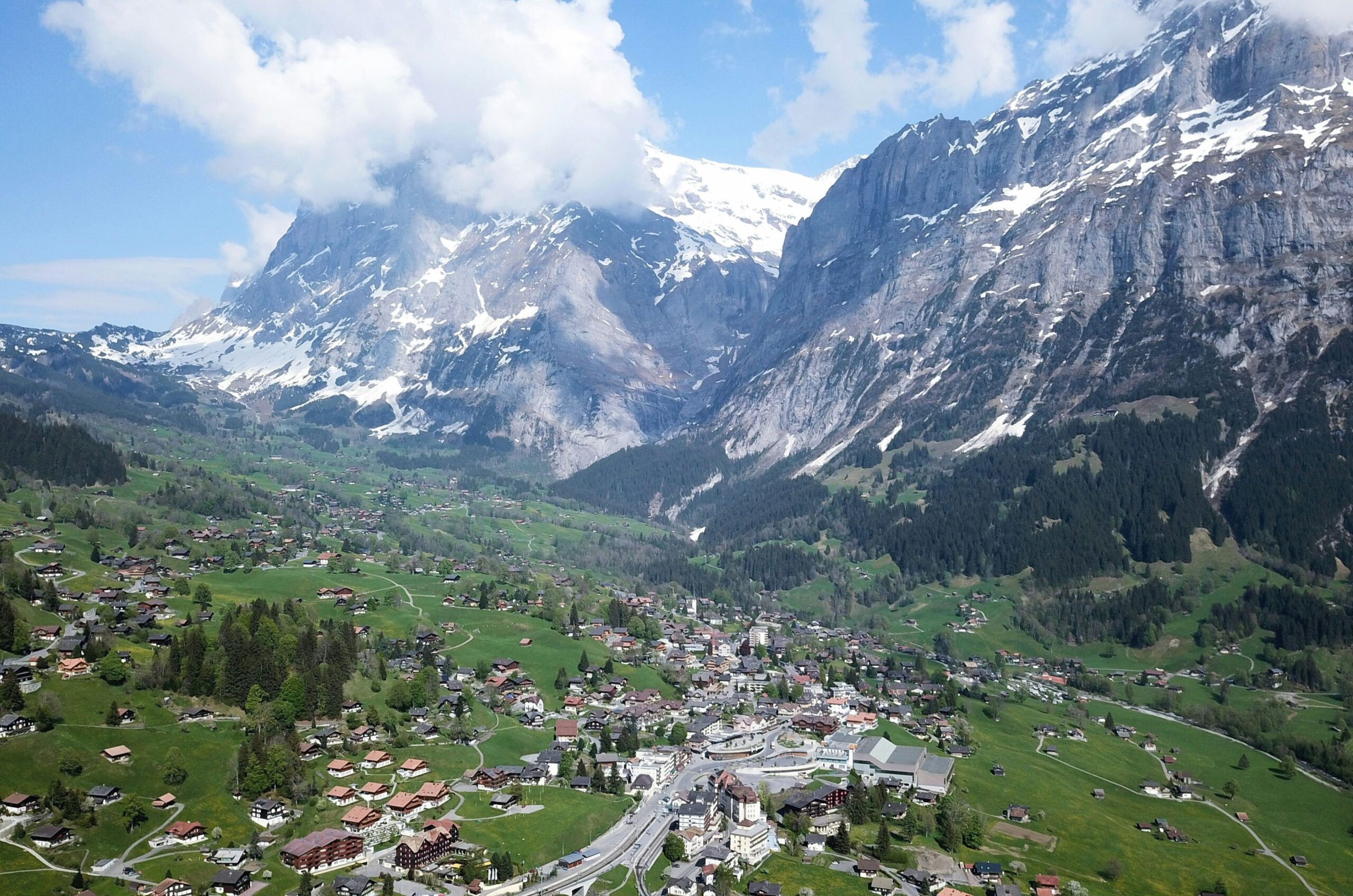
Don’t waste this transfer day by charging down the quickest road. The prettier route goes through Alta Badia and over some of the most scenic mountain passes in the region, such as Passo Valparola or Passo Falzarego, depending on how you break it up. Without stops, the drive takes around 3 hours. With sensible pauses, it is more like 4 to 4.5 hours, and it is worth every minute.
From Ortisei, head towards Corvara. The drive is lovely from the start, and the scenery gradually sharpens. Corvara makes a good coffee stop, while San Cassiano is another appealing pause if you want something quieter. Then comes the winding climb, where the views open out and the mountains start to feel bigger again.
If the weather is clear and you fancy a little lift-assisted drama, Lagazuoi is one of the best value viewpoints in the region. If the cloud is low, skip it and keep driving. The day still works beautifully without adding too much.
Aim to reach Cortina d’Ampezzo in the later afternoon, not evening. That gives you time to check in, stretch your legs, and get your bearings. Cortina d’Ampezzo is more polished than many other villages, but it is still wrapped in serious mountain scenery, and that keeps it grounded.
This is the most famous day of the trip, and it is the one that benefits most from a cool head. Lago di Braies is lovely, but it is also busy. Tre Cime di Lavaredo is one of the icons of the whole mountain group, and summer access rules can change frequently. Treat both Lago di Braies and Tre Cime di Lavaredo with a bit of planning.
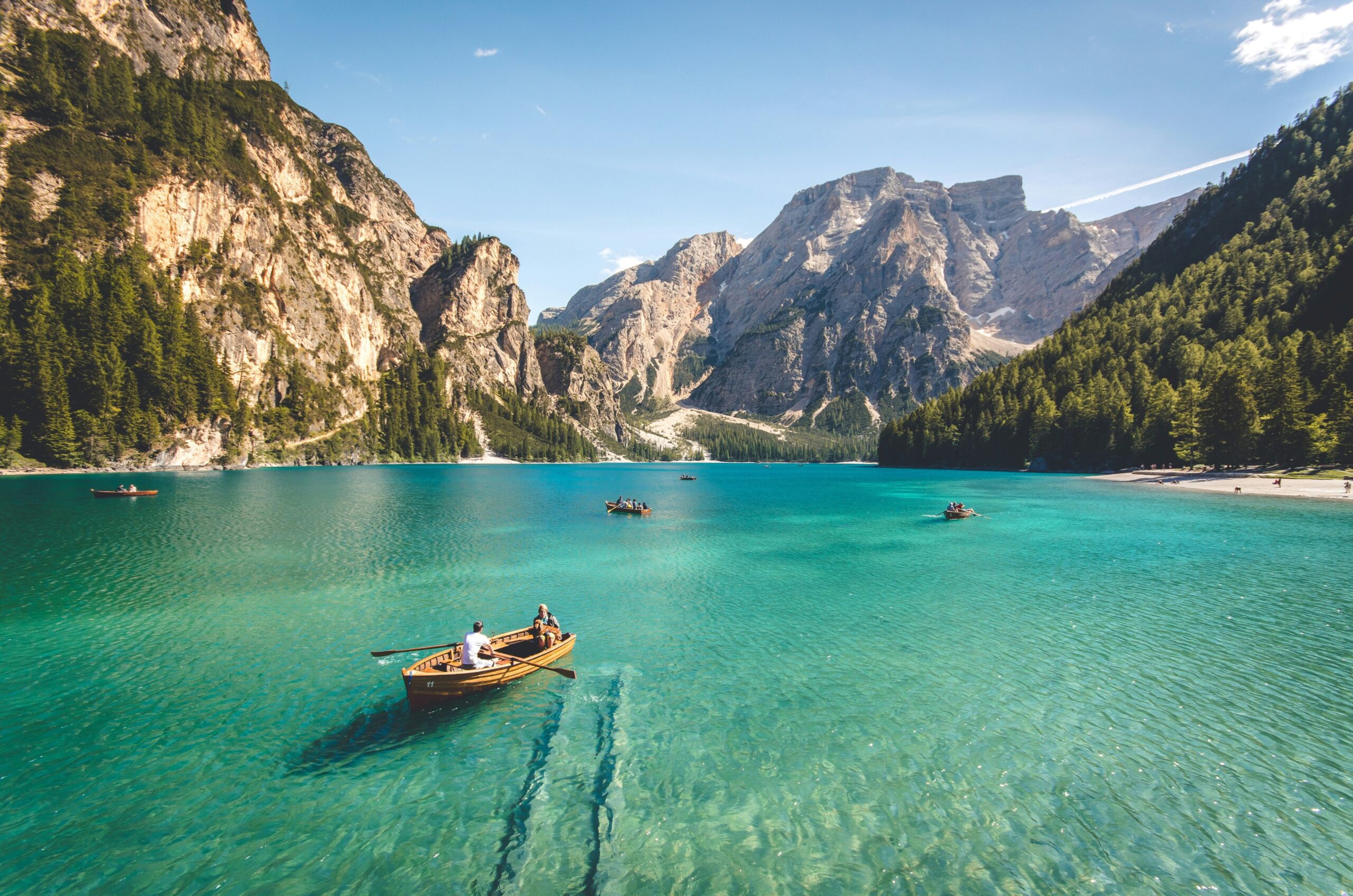
Go early if the crystal waters of Lago di Braies are high on your list. In peak weeks, parking and traffic controls can kick in, and the same goes for the toll road leading to Tre Cime di Lavaredo. Check the current rules before you go, then leave earlier than you think you need to. It sounds fussy, but it saves the day.
If conditions line up, visit Lago di Braies first, then continue towards the Tre Cime area for an easy walk starting from Rifugio Auronzo or a simple lakeside stop at Lake Misurina. While you are there, take a moment to look across at the jagged Cadini di Misurina peaks, which offer some of the most dramatic photography spots in the Dolomites. If that feels too packed, cut one location. There is no prize for squeezing everything into one overfilled day.
If you would rather keep things gentler, skip the crowds and head straight to Lake Misurina. Enjoy the peaceful water and take a shorter walk with big payoff views. First-timers often have more fun when they stop chasing every headline stop and let one area open up properly.
After a big day yesterday, keep today scenic but lighter. Start with Passo Giau, which remains one of the most photogenic drives in the area. Try to visit in the morning if the forecast is mixed, because the views are often best before the cloud thickens. Even if you do nothing more than pull over to snap a few photos, the experience earns its place on your itinerary.
From there, Cinque Torri is an easy choice for a short outing. You can take the chairlift when it is running, or keep things low-key and walk only as far as feels enjoyable. For those looking for a more challenging hike, the trail to Lago di Sorapis is a rewarding alternative that showcases some of the most vibrant blue water in the range. The rock towers have that classic Dolomite look, all pale stone and sudden angles, like a sketch brought to life.
Back in Cortina d’Ampezzo, spend the afternoon slowly. Browse a few shops, sit down for coffee, and let the trip breathe a little. That slower pace matters more than most people realize. By this stage, the temptation is to keep adding viewpoints to your list. Usually, the better call is an easy walk, an unhurried dinner, and one last look at the evening light hitting the peaks.
Your final drive depends on the airport. Cortina to Venice usually takes around 2.5 to 3 hours. Verona is longer, often 3.5 to 4.5 hours. Innsbruck can work well too, at roughly 2.5 to 3.5 hours depending on your route and local traffic.
If your flight is late enough, you can still fit in a small stop on the way out. Lago di Misurina is the easiest if you missed it earlier. If you are driving back towards the western side or heading toward Verona, Lago di Carezza is another stunning location for a quick final look at the mountains. Keep these stops brief. This is not the morning for one last ambitious detour.
If your flight home is before midday, sleep near the airport the night before. It is one of those practical choices that looks boring on paper but feels brilliant at 5.30 am.
Mountain road trips are better when the boring bits are handled well. In the Italian Dolomites, that means early starts, flexible plans, and a bit of healthy restraint.
Weather changes quickly at altitude. A blue morning can turn cold, wet, and misty by mid-afternoon, even in July. Keep a warm layer, waterproof jacket, sun cream, a refillable water bottle, and decent shoes in your rental car every day. If you plan to explore popular hiking trails above the tree line, heading out in the morning is usually the safer bet.
Petrol is easy enough to find in larger towns, but do not let the tank get too low once you are deep in the mountains and navigating winding mountain passes. Cell signal drops in places where you would rather not discover that fact, so download offline maps before leaving the airport. A paper map still is not a silly idea here. It is practical, and nicer to spread across a cafe table.
Parking in Italy can catch first-timers out. Blue spaces are usually paid, white often free, and yellow are normally reserved. Read the signs carefully. If your hotel is in a restricted traffic area, ask for arrival instructions in advance so you do not wander into a ZTL by mistake.
A few common mistakes come up again and again. People try to base themselves in one town for the whole week, then spend half the holiday driving across the range. Others book too many hotel changes because the map looks smaller than the roads feel. Another classic error is stacking three cable car trips, two lakes, and a famous pass into one day. At sea level, that already sounds optimistic. At altitude, it is worse.
Bad weather does not ruin a trip, but it does ask for a pivot. Around Ortisei, use a rainy day for a trip to Bolzano and the South Tyrol Museum of Archaeology, or enjoy a long lunch and a village wander. Around Cortina, a visit to Bruneck or a slower day in town are easy substitutes. You can also swap a high viewpoint for a lower-altitude walk around a site like Lago di Carezza, and you will often come away happier.
Recent tips from travelers repeat the same advice for a reason: go early when the famous places matter most. Crowds build fast, parking fills faster, and the mountains usually look better before lunch anyway.
The ideal window for a first trip is from mid-June to early October. July and September are particularly favored for their combination of accessible hiking trails, open mountain passes, and reliable lift service, while August is beautiful but significantly busier and more expensive.
While manual cars are standard in Italy, it is highly recommended to book an automatic vehicle well in advance if you prefer one. A smaller, compact car is essential for navigating narrow village lanes, tight hotel parking, and winding mountain passes comfortably.
Two bases are perfect for a seven-day trip. Splitting your time between Ortisei and Cortina d’Ampezzo provides the best access to the region’s top sights without the exhaustion of constantly packing and moving your luggage.
While general sightseeing doesn’t require pre-booking, popular toll roads and specific parking areas for major sights like Tre Cime di Lavaredo can have capacity limits or online reservation requirements during peak season. Always check official local tourism websites for current access rules before you set out for the day.
The Dolomites are not hard to love, but they are easy to overplan. The smartest first Dolomites road trip is not the one with the longest checklist. It is the one with two well-chosen bases, realistic driving days, and enough slack to enjoy the mountains rather than chase them.
If your draft road trip itinerary feels a little too full, it probably is. Cut one stop, keep the coffee break, and leave space for the peaks to do what they do best. By following this approach, you ensure your time in the mountains remains as relaxing as it is memorable.