
April 14, 2026

There’s something hard to beat about pairing America’s national pastime with a long drive and a stack of tickets. A baseball roadtrip gives you the best of both worlds, famous stadiums and back-road diners, big-city buzz and small-town charm.
It also turns a sports holiday into something richer. One day you’re eating a hot dog outside a storied ballpark, the next you’re walking a riverfront, chasing skyline views, or finding the local bar where everyone still talks about last night’s ninth inning. The trick is planning it well, so the miles feel exciting, not tiring.
A good trip starts with honesty. How many days do you have, how much driving do you enjoy, and how many games do you want to see before the schedule starts feeling like work?
If you’ve only got a week, keep the route tight and stay in one region. Ten to 14 days gives you room for a broader loop with rest stops in between. A longer trip can cross half the country, but it needs breathing space. Baseball is meant to feel leisurely, after all, not like a dash between car parks.
Timing matters too. Late spring and early summer often bring pleasant weather and plenty of fixtures. September has a special edge because the playoff race sharpens every game. However, school holidays, weekend series, and major rivalries usually push up hotel and ticket prices.
The East Coast is the easiest place to start. Cities sit closer together, so the driving stays manageable. That makes it ideal for first-time travellers, families, or anyone who wants more innings and less motorway.
The Midwest feels more old-school. Chicago, St Louis, Cincinnati and nearby stops carry deep baseball history, and the pace tends to feel a touch looser. If you want classic parks, strong local character, and shorter city breaks between games, this region has real appeal.
A coast-to-coast route is the big one, part sporting pilgrimage, part proper American holiday. It suits devoted fans with more time and a bigger budget. If that sounds like your style, the Home Run USA baseball road trip shows how a longer self-drive can link famous parks with memorable cities.
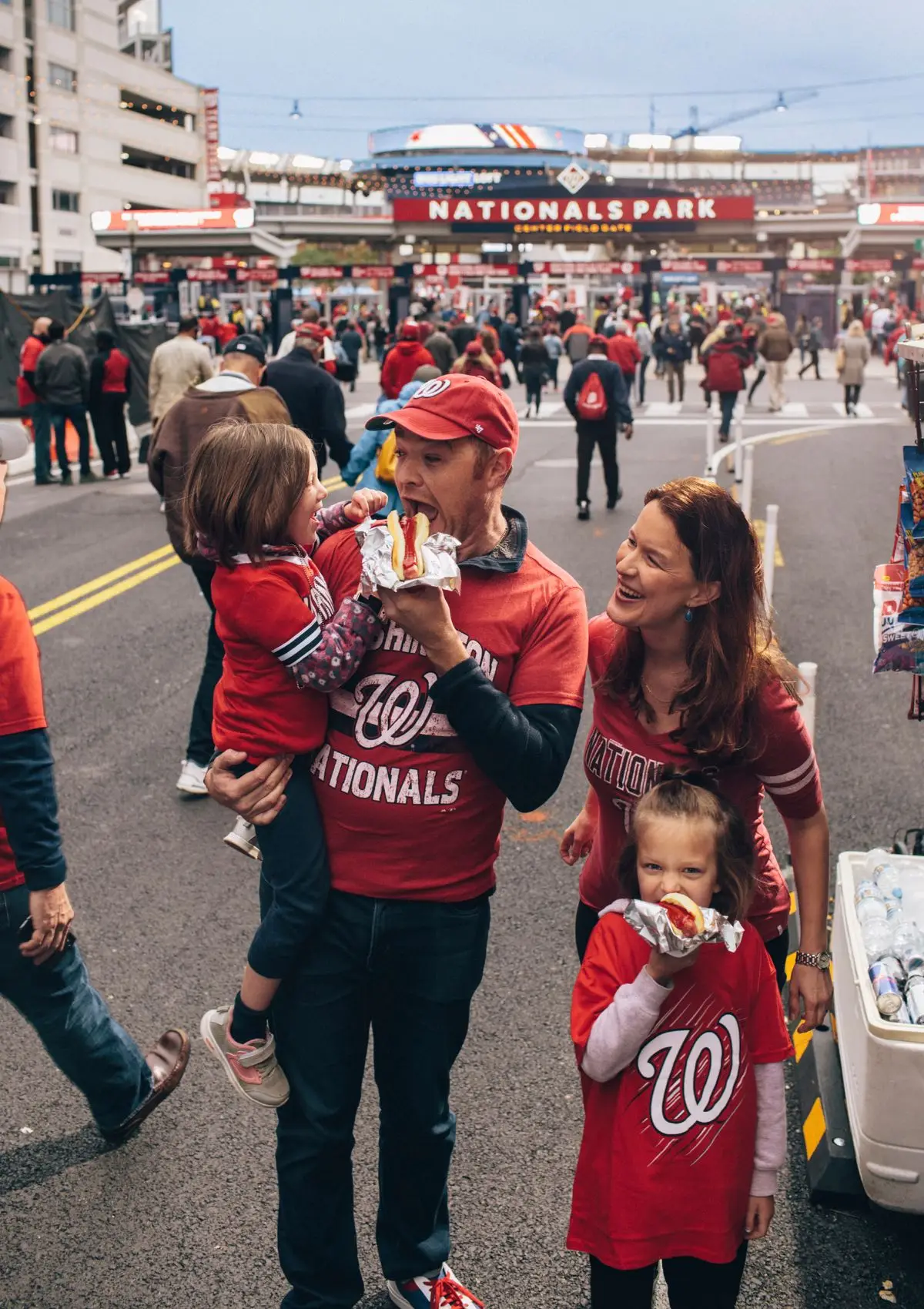
Costs add up quickly when you move from city to city. Car hire, fuel, hotels, parking, tickets, food, tolls, and souvenirs all deserve a place in the plan. Ignore one of them and the total can sneak up on you like a fastball on the inside corner.
Still, saving money doesn’t mean stripping out the fun. Weekday games are often cheaper than weekend matchups. Seats away from home plate can still give a great view, especially in well-designed ballparks. Hotels outside city centres can cut costs sharply, as long as you’ve checked the drive or rail link.
It also helps to decide where to spend and where to trim. Maybe you splash out on Fenway or Wrigley, then keep other stops simple. A smart budget leaves room for the moments you’ll remember, not just the ones you can afford.
The dream is to see every famous stadium. The reality is that too many long drives can drain the joy from the trip. The best routes balance bucket-list parks with sensible travel days, so you still have energy to enjoy the city around the game.
Try to mix headline venues with stops that offer something beyond nine innings. A great baseball city often gives you a full day out, whether that means food, museums, waterfront walks, or a lively neighbourhood near the park.
Some stadiums carry instant pull. Fenway Park feels intimate and historic, like the game is wrapped into the brickwork. Wrigley Field has that rare mix of neighbourhood warmth and sporting theatre. Yankee Stadium delivers scale, swagger, and a sense of occasion before the first pitch is thrown.
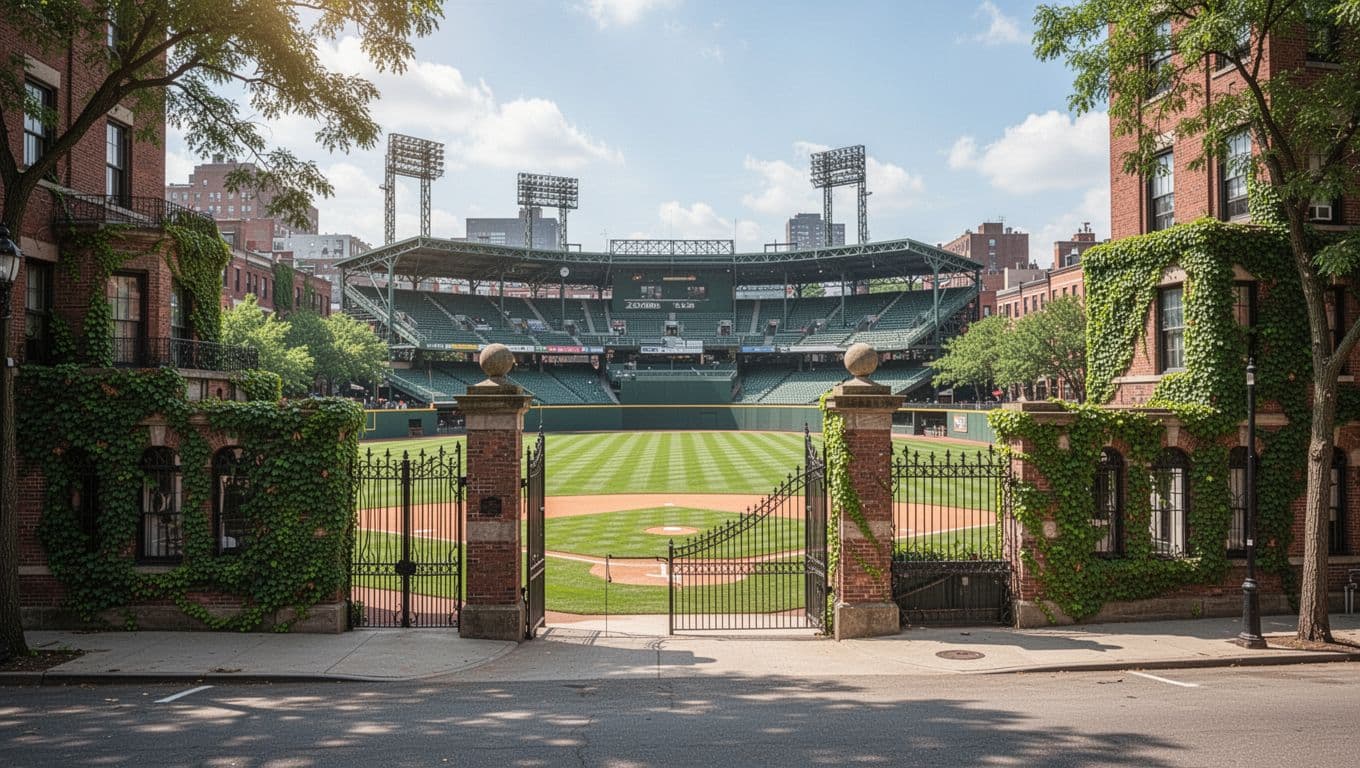
Dodger Stadium adds sunshine, palm trees, and one of the sport’s most recognisable settings. Busch Stadium stands out for its views and the wider St Louis baseball culture around it. None of these parks needs a hard sell. They feel special because the place, the fans, and the stories all meet at once.
That said, don’t build a route on reputation alone. A slightly less famous stop can become a favourite if the city is easy, the food is good, and the whole day runs smoothly.
The best trips breathe between fixtures. Baseball museums, hall of fame-style stops, old neighbourhoods, and sports bars all add texture. Cooperstown is the obvious example, but it’s hardly the only one. Louisville’s bat-making history, Baltimore’s ties to Babe Ruth, and Chicago’s sports culture all deepen the journey.
Local food matters too. A Fenway Frank, Chicago deep-dish pizza, toasted ravioli in St Louis, or skyline-style chilli in Cincinnati can stamp a place into memory faster than a box score.
The strongest baseball holidays aren’t only about what happened on the field. They’re about where you were before first pitch, and where you ended up after the final out.
Good planning fades into the background, and that’s the point. When tickets, parking, and travel are sorted early, the day feels easy.
Start with the game dates. Rivalry series, holiday weekends, and Saturday night games usually sell fastest, so lock those in first. Then book the hotel around that date, not the other way round.
After that, sort out how you’ll reach the stadium. Some parks are simple by train, while others are easier by car if you pre-book parking. A little order saves a lot of stress, especially when traffic builds and the first inning is getting close.
Pack for long days on your feet. Comfortable shoes, weather-ready layers, sun cream, and a power bank all earn their place. Mobile tickets and photo ID should be easy to reach, not buried at the bottom of a bag.
Also check each stadium’s policy before you leave the hotel. Bag rules can vary, and some venues prefer clear bags. That five-minute check can save an annoying delay at the gate.
The smartest plan leaves a little empty space. A roadtrip with no wiggle room can feel stiff, even when the stops look brilliant on paper.
A riverfront walk in Pittsburgh, a diner off the highway, a local brewery near the park, or a record shop in a side street can change the whole mood of the day. So can an unexpected minor league or college game. These smaller moments make the trip feel personal, not packaged.
Rest days help too. One slower afternoon can make the next stadium feel fresh again.
It doesn’t need to be elaborate. Keep a scorecard, save ticket stubs, snap one photo outside each ballpark, or pin stops on a shared map. A short travel journal works well too, especially for the tiny details that slip away first, the meal before the game, the best view from the upper deck, the song that played in the seventh.
That way, the trip lives on after the suitcase is unpacked.
A great baseball roadtrip isn’t the longest one or the most expensive. It’s the one that fits your pace, your budget, and the parks you’ve always wanted to see.
Even a short route can feel special when the driving is sensible and the game days are well chosen. Get the balance right, and every stop starts to feel like part of one long summer story.