
June 11, 2026

A Colorado map can fool you. The lines look short, the towns seem close, and then you arrive to find mountain passes, photo stops, elk by the roadside, and a national park that deserves more than a hurried glance.
If you are planning your first Colorado Rockies road trip, you need a balanced plan that delivers big scenery without the stress of constant driving. This 7-day road trip itinerary focuses on sensible daily distances and enough breathing room to help you enjoy the altitude instead of wrestling with it. This loop starts gently before building into the kind of views that make you pull over and laugh a bit at your own luck.
The best beginner-friendly Rockies road trip itinerary starts and ends in Denver, where many travelers choose to pick up a campervan rental to explore the region at their own pace. This route threads through Estes Park, Rocky Mountain National Park, Grand Lake, Summit County, Leadville, and Aspen. It keeps most drives under four hours, provides two-night stays where they matter most, and avoids that classic first-trip mistake of trying to cover too much of Colorado in one sweep.
This plan works best from mid-June to early October, when Trail Ridge Road and Independence Pass are usually open. Outside that window, snow changes the map quickly, and this exact circuit does not hold together in the same easy way.
Here is the route at a glance, highlighting the major mountain passes and each scenic byway you will experience.
| Day | Route | Approx. drive time | Suggested overnight base |
|---|---|---|---|
| 1 | Denver to Estes Park | 1.5 to 2 hours | Estes Park |
| 2 | Rocky Mountain National Park | Minimal driving | Estes Park |
| 3 | Estes Park to Grand Lake via Trail Ridge Road | 2.5 to 3.5 hours, without long stops | Grand Lake |
| 4 | Grand Lake to Frisco or Breckenridge | 2.5 to 3 hours | Frisco or Breckenridge |
| 5 | Summit County scenic day | 1 to 2 hours local driving | Frisco or Breckenridge |
| 6 | Frisco to Aspen via Leadville and Independence Pass | 3 to 4 hours | Aspen or Snowmass |
| 7 | Aspen to Denver | 4 to 4.5 hours, longer if the pass is closed | End of trip |
Those times are for the road alone. In the Colorado Rockies, drive times lie by omission. Add scenic pull-offs, coffee stops, and the occasional wander, and a two-hour drive can happily fill half a day.
If you like comparing route shapes before booking, this Rockies road trip roundup and this Colorado road trip map are handy for seeing how the mountain towns fit together.
Altitude comes first, always. Denver sits at about 1,609 metres, Estes Park is around 2,293 metres, and Trail Ridge Road climbs above 3,600 metres. That jump can hit harder than people expect, especially after a long-haul flight.
So take the first 24 hours seriously. Drink more water than you think you need. Keep the first afternoon light. Have a proper meal, go easy on alcohol, and don’t make your first real activity a lung-busting hike above the tree line.
The first day in Colorado should feel a touch too easy. That’s usually the right pace.
If you get a headache, feel dizzy or nauseous, or simply feel oddly flat, slow down. Rest, hydrate, and head lower if symptoms build. Most visitors adjust well, but the mountains don’t care how fit you are back home.
The other big planning point is Rocky Mountain National Park. As of June 2026, the park uses a timed entry permit system during peak hours, and the details matter. The clearest place to check the latest rules is the official timed-entry page. The park’s 2026 reservation announcement confirms that, for the main park, reservations are required daily from 9am to 2pm through 12 Oct 2026. Bookings go through Recreation.gov, and there are separate options for general park access and Bear Lake Road.
If navigating the reservation process sounds like a hassle, there is a simple workaround for many first-time visitors: arrive early. Entering before the reservation window makes the day much easier, parking much simpler, and the scenery even better. Sunrise is doing you a favour here.
From Denver, head straight to Estes Park unless you are arriving late. The drive is only about 1.5 to 2 hours, but it feels like a proper shift into the mountains. Pines appear, the road starts to rise, and by the time you roll into town, the air already feels thinner and cleaner.
For your first afternoon, keep it gentle. Walk around downtown Estes Park, stretch your legs by Lake Estes, and have an early night. If you want a taste of scenery without effort, the broad valley views around Moraine Park are a lovely low-commitment start.
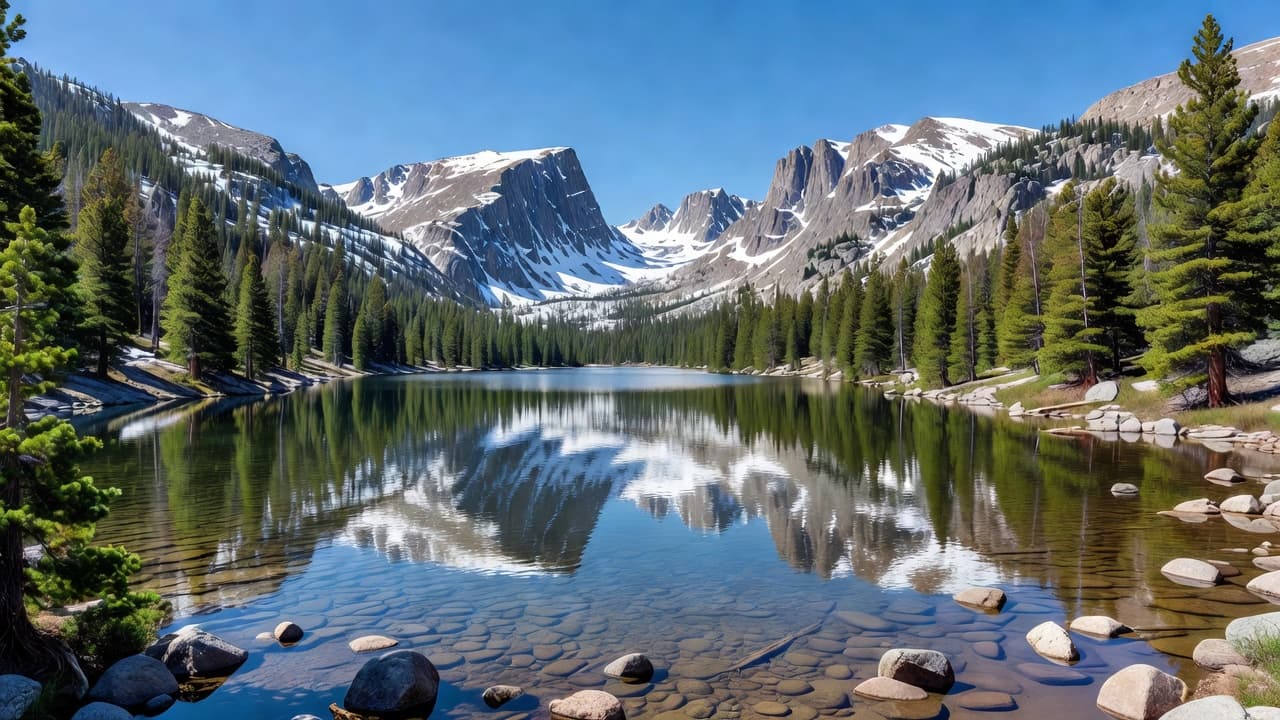
Day 2 is your full Rocky Mountain National Park day, and an early start pays off. If you have access, head to Bear Lake first. The flat loop around Bear Lake is an easy, iconic way to experience the scenery. Sprague Lake is another gentle option, and the hike to Emerald Lake is a fine moderate walk if you are feeling good at altitude. These trails are short enough to remain fun, but scenic enough to feel like you have earned a rewarding experience.
Even if you do not hike much, the park is packed with rewarding viewpoints. Many Parks Curve is one of the best first-look stops in the whole area. Moraine Park is perfect for wildlife viewing, as elk often graze there in the morning. Higher up, Forest Canyon Overlook is one of those places where the land suddenly seems to fall away forever.
Estes Park is the right overnight base here because it provides a soft landing. You can have a full national park day without repacking, and that makes a difference when you are still adjusting to the elevation.
This is the day the road becomes the main event. Trail Ridge Road crosses Rocky Mountain National Park from east to west, and it is widely considered one of Colorado’s great scenic drives. Set off early, even if you are not usually a morning person, because you will want the extra time to explore this famous scenic byway.
Without stops, the drive from Estes Park to Grand Lake is roughly 2.5 to 3.5 hours. With stops, it can easily stretch to five or six, and that is exactly how it should be. The Alpine Visitor Center is the obvious headline stop when open, but the smaller pull-outs often steal the show. Forest Canyon Overlook is dramatic, Milner Pass puts you on the Continental Divide, and the tundra sections feel almost moon-like, especially if snow lingers nearby.
By the time you drop into Grand Lake, the whole mood changes. Estes Park has bustle, while Grand Lake has a calmer, lake-town ease. That is perfect after a high-altitude crossing. Check in, walk the boardwalk, then choose one simple outing. Adams Falls is short and satisfying, and the shore of Grand Lake is a fine place to do almost nothing for an hour.
Because Trail Ridge Road sits so high, summer does not mean certainty. It usually opens seasonally, but snow, wind, and ice can still shut it at short notice. Before you set out, check current access through the park and local west-side updates. If you want a plain-English summary, this Grand County reservation guide is useful alongside the official park information.
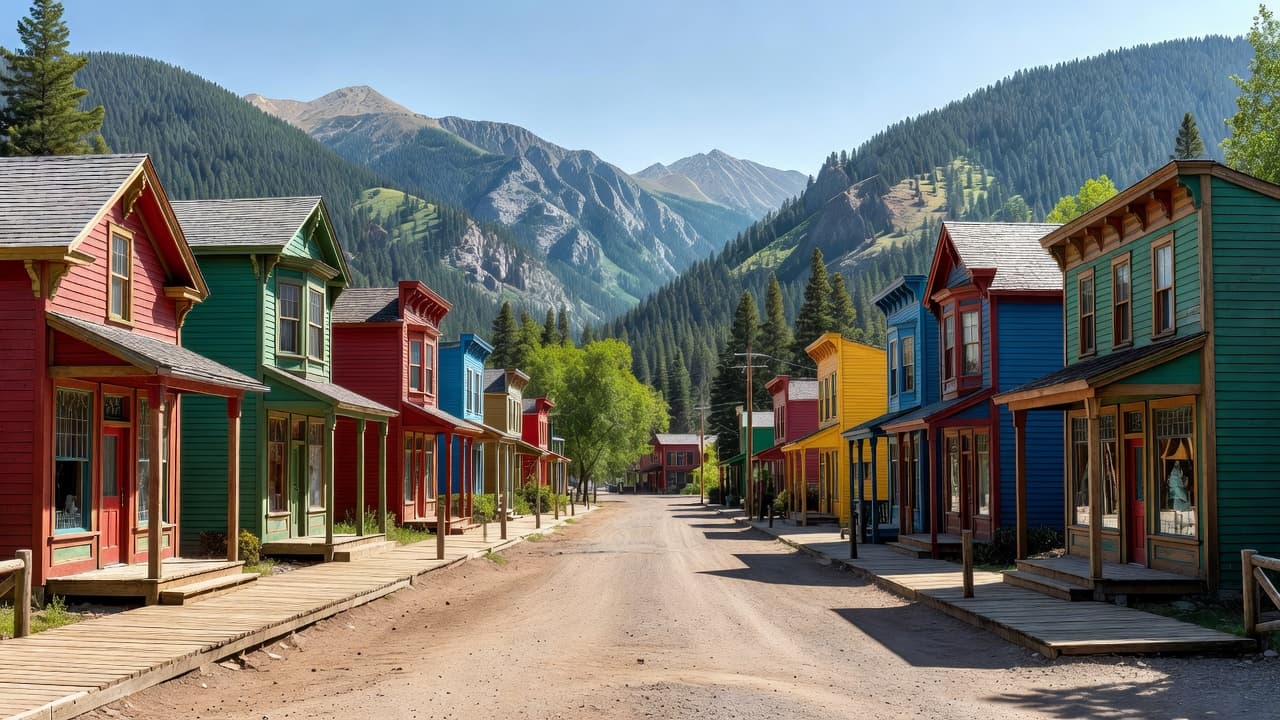
Day 4 is a transfer day, but not a dull one. The drive from Grand Lake to Frisco or Breckenridge takes about 2.5 to 3 hours, depending on traffic and your chosen stops. Frisco often works better as a base because it is central, easy to park in, and a bit less hectic. Breckenridge, on the other hand, has more atmosphere, more dining, and that classic Colorado mining town look.
Either way, give yourself two nights. Summit County is one of those places that rewards a pause.
Once you have checked in, go somewhere easy and scenic rather than trying to squeeze in a major outing. Sapphire Point Overlook is almost laughably generous for the effort required. The views over Dillon Reservoir and the Tenmile Range are wide, bright, and very photogenic. If you would rather stay in town, the historic center of Breckenridge is good for a slow stroll, a coffee, and a bit of people watching at altitude.
Day 5 is your flexible scenic day. For a gentle plan, take the gondola in Breckenridge if it is running, then spend the afternoon around Dillon Reservoir or on the lakeside path in Frisco. If you want a touch more movement, the walk to Sawmill Reservoir in Breckenridge is a good moderate option without becoming a full expedition.
There are bigger name passes nearby, but first-timers often enjoy this area most when they stop trying to collect landmarks and simply settle into the mountain rhythm. Enjoy your coffee, a short walk, a viewpoint, and an unhurried dinner, then watch the evening light hit the peaks. By the time you head back toward Denver, you will truly appreciate the magic of this region.
From Summit County, head south and west towards Aspen. The prettiest route for most first-time visitors goes via Leadville, Twin Lakes, and Independence Pass, and the drive usually takes about 3 to 4 hours before stops.
Leadville is worth a proper pause. It sits high, looks weathered in the best way, and has that old-mining-town character Colorado does so well. After that, Twin Lakes is the scene-stealer. The water, the big mountain backdrop, and the open valley all feel cinematic without trying too hard.
Then comes Independence Pass. This road is narrower, twistier, and more dramatic than the earlier parts of the trip, so do not rush it. Pull over when it is safe, breathe in the thin air, and look properly. The summit area has that wonderful above-the-world quality, where the land seems both vast and oddly delicate.
A small caution here: if you are driving a large motorhome, towing, or simply hate tight mountain bends, skip this route. The easier alternative is Aspen via Glenwood Springs and the I-70 corridor. It is longer, but far less stressful.
Once in Aspen, keep the afternoon simple. Walk the center, browse a few shops, and take the short paths around the John Denver Sanctuary if you want something calm and green. Aspen can be polished, yes, but it is also framed by serious mountain scenery, and that keeps it grounded.
Day 7 is for one last highlight before the run back to Denver. For many people, that is Maroon Bells. They are famous for good reason. Maroon Lake gives you a classic view with very little walking, and the easy trail along the shore is enough for most first visits. In summer and autumn, access is controlled and parking is limited, so sort shuttle or parking reservations well ahead through your accommodation or local visitor information.
If Independence Pass is open and you are in a standard car, you can return to Denver the same way in roughly 4 to 4.5 hours, not counting stops. If the pass is closed, or you would rather avoid retracing your steps, go north-west to Glenwood Springs and then follow I-70 east. The canyon is beautiful in its own right, and the route past Vail and over the Eisenhower Tunnel gives you a final, different side of the Rockies.
Colorado weather changes mood quickly. A sunny morning can turn into a cold, stormy afternoon, especially at higher elevations. Keep a warm layer, waterproof jacket, sun cream, and plenty of water in the car every day, even in July.
Start early when the big scenery matters most. Parking at Rocky Mountain National Park fills fast, mountain light is better in the morning, and summer thunderstorms often build after lunch. If you are planning a walk above the tree line, morning is the safer bet.
Petrol is easy enough to find in the larger towns, but do not let the tank run low once you are in the mountains. Signal also drops in places you would rather not discover that fact, so download offline maps before leaving Denver. A paper map is not overkill here, it is common sense with prettier edges.
Wildlife is part of the joy, but give it room. When you are out for wildlife viewing, remember that elk, deer, and even moose can appear near roads, especially around dawn and dusk. Slow down, watch the verges, and never stop in the middle of the road for a photograph.
Leave space in the plan. In Colorado, the unplanned pull-out often becomes the memory you keep.
In the summer and early autumn, a standard passenger vehicle is perfectly sufficient for this route as it sticks to paved, well-maintained roads. You only need to consider a four-wheel or all-wheel-drive vehicle if you are visiting in late spring or late autumn when unexpected snow can create slick conditions on the mountain passes.
If you feel lightheaded, develop a headache, or feel generally exhausted, the best remedy is to drink plenty of water and descend to a lower elevation until your symptoms subside. Most visitors adjust within a day or two, but it is important to listen to your body and avoid pushing yourself during your first few days in the mountains.
Most of this route is very manageable, but Independence Pass is narrower and windier than the main highways, which can be intimidating for some drivers or large motorhomes. If you are uncomfortable with tight mountain driving, you can easily bypass the pass by taking the I-70 corridor through Glenwood Springs instead.
Wildlife is abundant in the Rockies, but it is essential to keep a respectful distance and never stop your vehicle in the middle of the road to take photos. Dawn and dusk are the most active times for elk and deer, so drive slowly through wooded areas and keep your eyes on the road shoulders.
A first Colorado Rockies road trip does not need to be a badge of endurance. It works best when the days are balanced, the drives are realistic, and you leave room for weather, altitude, and the occasional irresistible detour.
This route gives you the grand hits, including Rocky Mountain National Park, Trail Ridge Road, Summit County, and Aspen, without turning the whole holiday into a scramble. The real trick is pace. Those mountains look better when you have time to stop, step out, and let them sink in.
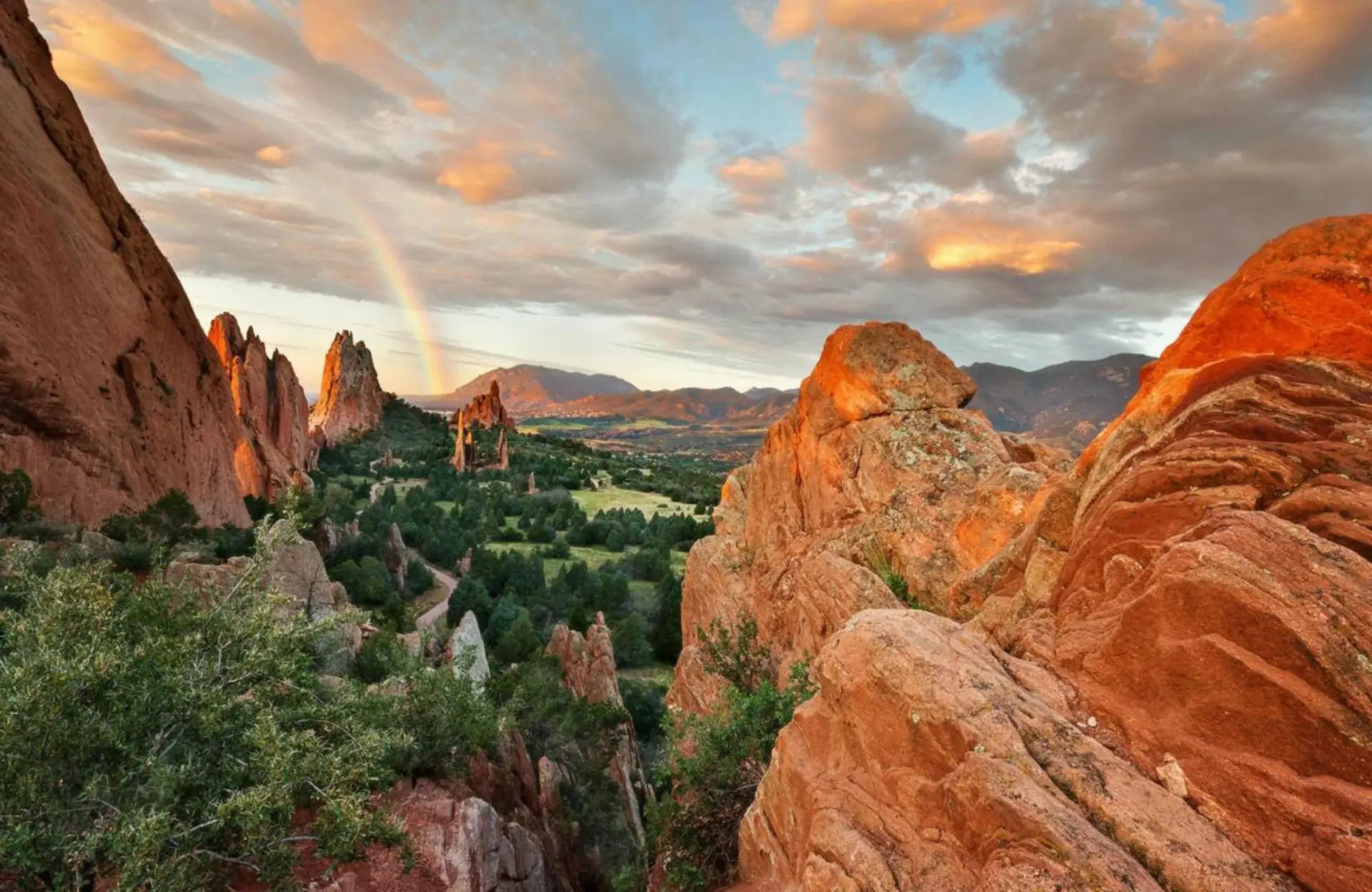
If you find yourself longing for another adventure, Colorado offers plenty of room to grow your itinerary. For a future visit, you might explore Colorado Springs to see the red rock formations of Garden of the Gods. Alternatively, head south to experience the towering sands of Great Sand Dunes National Park, the dramatic depths of Black Canyon of the Gunnison, or the ancient cliff dwellings at Mesa Verde National Park. You could even cap off a southern tour by driving the legendary Million Dollar Highway through the historic mining towns of Ouray and Durango before finishing your journey near the mesas of Grand Junction.