
March 21, 2026

What does the Louisville Slugger really mean to baseball? The story of this iconic bat began in 1884, when a simple piece of wood became one of the sport’s best-known names. Over time, it came to mean more than wood and weight. It stood for trust, routine, and the sound of a clean hit.
This is the story of where it came from, how makers shaped it, why players believed in it, and how it became part of baseball culture. In many ways, the bat’s history mirrors the sport itself, local at first, then national, and finally legendary.
In Louisville, Kentucky, the best-known origin story starts in 1884. Bud Hillerich, aged 17, watched local star Pete Browning break his bat. According to the tale, Bud made Browning a new one in his family’s workshop. Browning liked it, and other players soon wanted their own.
Some details of that story are debated today. Still, the moment matters because it captures a real shift. A bat was no longer just a lump of wood. It could be shaped for a hitter’s hands and swing.
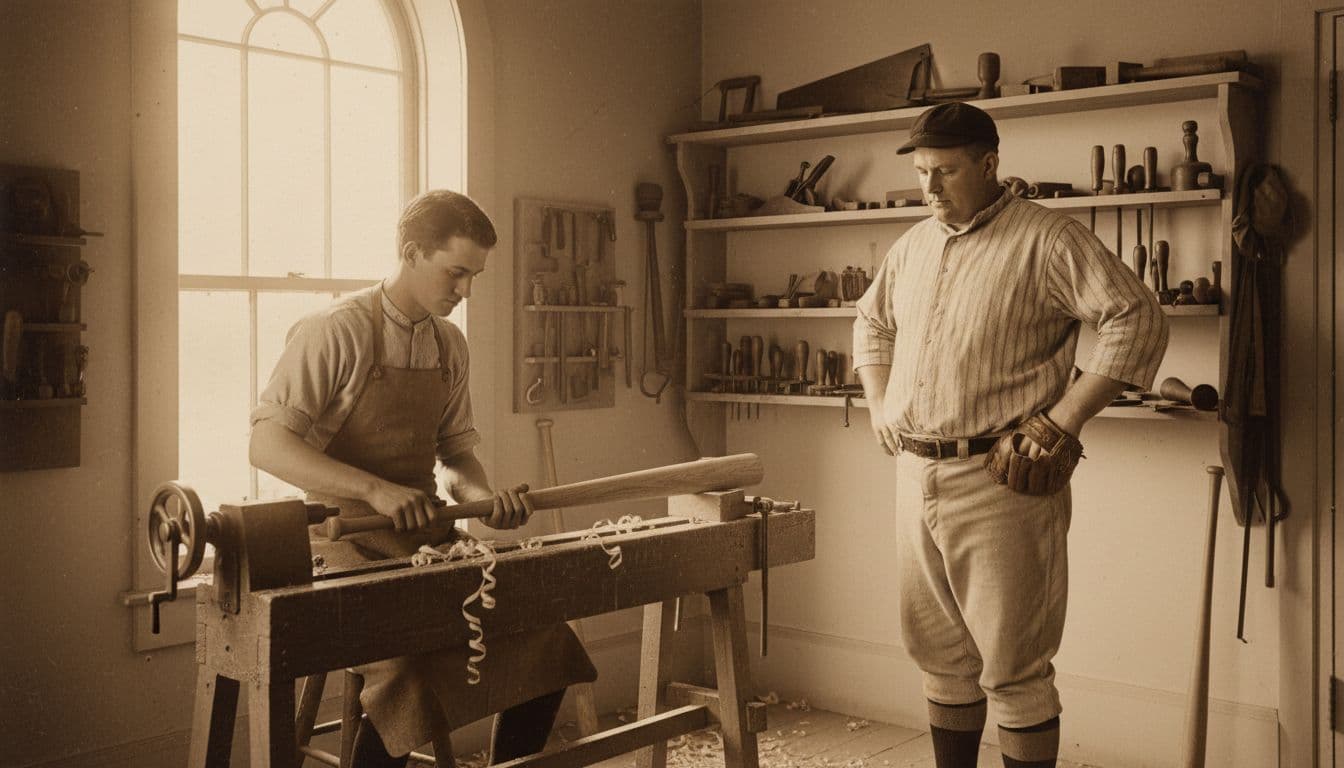
That early custom bat hinted at a new idea. Players wanted balance, barrel size, and handle shape that felt right to them. In other words, the bat became personal.
That changed the business. Instead of selling one standard club, the Hillerich shop could make bats to suit different hitters. Baseball equipment started to look less like a farm tool and more like a tailored suit.
The Hillerich family already worked in wood, so they had the tools and skill to move quickly. As demand rose, they gave more time and space to bat making while keeping the careful hand work players valued.
Later, the business grew into Hillerich & Bradsby, and production expanded. Even as output increased, the promise stayed simple, give players a bat that felt made for them.
Louisville Slugger bats earned trust through feel, not flashy claims. Makers chose wood carefully, then shaped each bat for weight, balance, and finish. A few ounces or a slightly thicker handle could change everything at the plate.
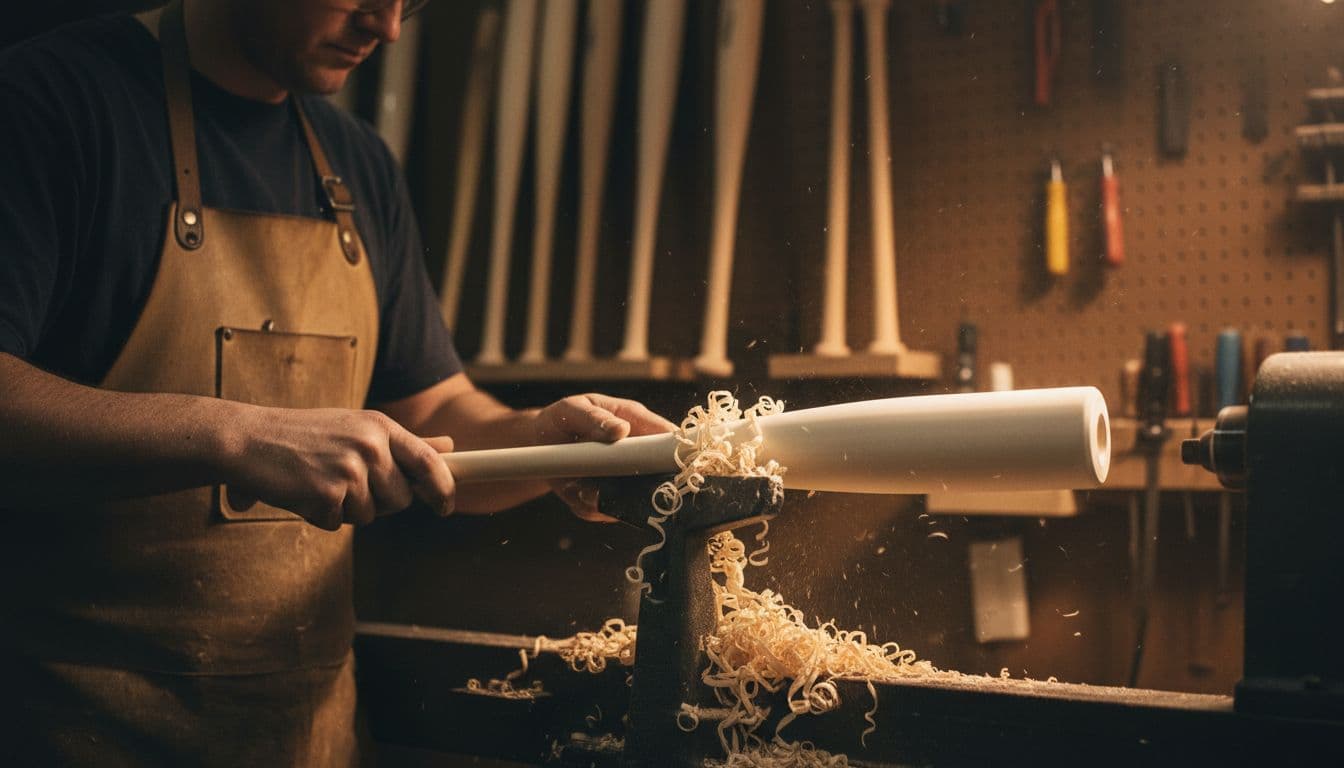
For generations, ash was the classic choice. Its grain gave hitters a mix of flex and whip, and many liked the feedback it gave through the swing. When people picture a traditional Louisville Slugger, they often picture ash.
Later, some players moved to maple and other woods for a harder feel. Even so, ash helped define the brand for decades because it matched the rhythm of the game many fans remembered.
Another smart move helped the company stand out. Louisville Slugger became the first bat maker to sell bats bearing a player’s signature. That did two things at once. It gave fans a link to their heroes, and it gave the brand a public mark of trust.
Model numbers mattered too. They showed that shapes could be repeated, ordered, and trusted. If a hitter found a pattern that worked, the company could make it again. That kind of consistency builds loyalty quickly.
As baseball spread, so did Louisville Slugger. The bat moved from big league dug-outs to school yards, sandlots, and back gardens. Soon it was not only a tool for professionals, but also part of childhood, fandom, and collecting.
Big names gave the brand its shine. Babe Ruth linked Louisville Slugger with power and spectacle. Ty Cobb tied it to skill and sharp control. Later, Hank Aaron and Derek Jeter carried the name into new eras, yet the message stayed the same, elite hitters trusted these bats.
Their link to the brand meant more than endorsement. Fans could hold a bat that looked like the one used by a legend. That made the distance between stadium and street feel smaller.
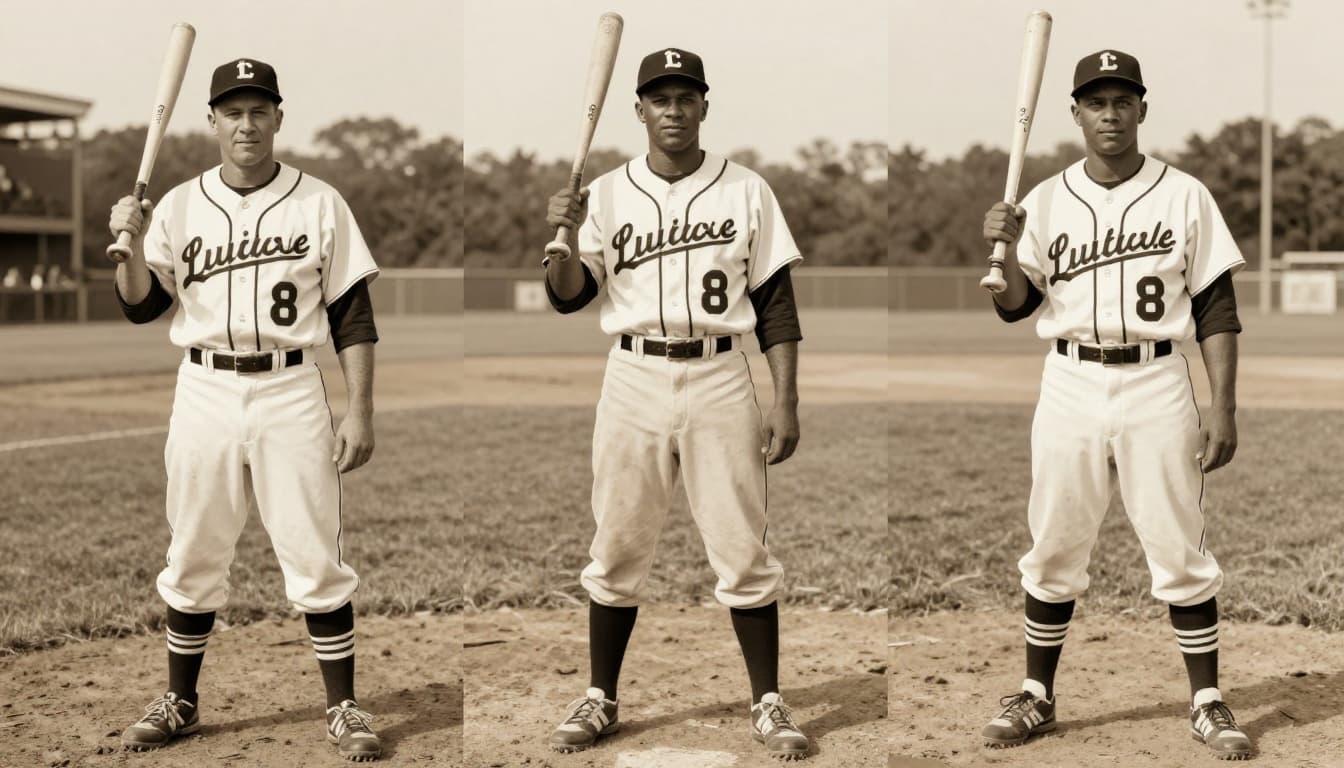
Over time, the bat became a symbol of baseball itself. It appeared in adverts, films, family photos, and souvenir shops. A Louisville Slugger leaning by the door could say “summer” as clearly as a glove on the grass.
For many fans, the bat is not just equipment. It’s a memory object, tied to first games, first hits, and long afternoons outdoors.
That warm feeling helped the brand last. While styles changed, the image stayed strong because people attached it to shared moments, not just results on a scorecard.
The modern game looks different, but Louisville Slugger still carries its past. Bat rules changed, player tastes shifted, and rival brands grew stronger. Yet the company kept one foot in history and the other in the present.
To stay relevant, the brand adjusted. Players asked for different woods, finishes, and profiles, so the factory changed with them. Better machinery helped with repeatability, while hand-finishing still mattered where feel counted most.
That balance runs through the whole story. Baseball changes slowly, then suddenly, and good bat makers have to read both the numbers and the hands of the hitter.
The Louisville Slugger Museum & Factory keeps that story alive in the city where it began. Visitors can see bats being made, learn about famous models, and trace the brand’s place in baseball history. It turns a familiar name into something physical and real.
If you want to understand why the bat matters, seeing the wood, tools, and finished shapes in one place makes the point better than any advert.
A Louisville Slugger starts as wood, but its story reaches far beyond the workshop. It carries history, player trust, family business, and the culture of the game. Baseball gave the bat its stage, yet the bat also helped shape baseball’s image. That’s why its story still feels alive every time a hitter steps in.