
March 21, 2026

Kentucky is the natural home of bourbon, and a tasting tour here feels bigger than a drink. You get old warehouses, quiet back roads, river towns, horse country views, and stories that reach far beyond the glass. One stop might feel polished and modern, while the next feels like stepping into family history.
That mix is what makes a bourbon trip special. It’s not only about finding the “best” pour. It’s about choosing the right route, learning what you like, and taking your time as the landscape changes around you. Many travellers build their plan around the Bluegrass Bourbon Trail self-drive tour when they want a ready-made Kentucky itinerary with bourbon built in.
This guide keeps things simple. You’ll see where to go, what a tasting is really like, and how to enjoy the day safely without turning it into a race.
There isn’t one perfect Kentucky bourbon trail. The best route depends on how many days you have, the style of distillery you enjoy, and how much driving feels reasonable. A weekend trip calls for a tighter plan. A longer road trip gives you space for scenic stops, relaxed meals, and one or two surprise detours.
Louisville works well if you want city energy and easy access. You can pair tastings with restaurants, bars, and museums, so the day never feels one-note. Bardstown feels more traditional and slower paced. It’s a strong choice if you want classic bourbon country, pretty streets, and a deep sense of heritage. Lexington adds horse farms and rolling bluegrass scenery, while Frankfort brings river views, state history, and a quieter pace.
This quick comparison can help narrow it down:
| Area | Best for | Feel | Good fit for |
|---|---|---|---|
| Louisville | Short stays, urban tastings | Lively, easy to mix with food and nightlife | First visits, mixed-interest groups |
| Bardstown | Classic bourbon heritage | Historic, relaxed, scenic | Bourbon-focused travellers |
| Lexington | Scenery plus bourbon | Polished, spacious, horse country | Couples, road trippers |
| Frankfort | Smaller-scale days | Calm, historic, compact | Slower trips, repeat visitors |
The key takeaway is simple. Pick one or two areas, not the whole state, and the trip becomes much more enjoyable.
If you’re new to bourbon, look for distilleries that welcome beginners rather than catering only to collectors. A good first stop offers clear tours, friendly staff, and tasting flights that move from lighter flavours to richer ones. That way, your palate doesn’t get tired too early.
Visitor experience matters just as much as the spirit. Some places focus on production and history, which helps if you want context before tasting. Others lean into atmosphere, with smart tasting rooms and easy-going hosts. Both can work well. The right pick depends on whether you want a lesson, a leisurely sip, or a bit of both.
Mixed groups should think even wider. Not everyone cares about barrel char or proof. So it helps to choose stops with attractive grounds, food nearby, or a town centre worth walking around afterwards.
The easiest mistake is trying to “fit in” too much. Kentucky looks compact on a map, but country roads, tour times, and small town traffic all add up. Group distilleries by area and keep the day loose enough for lunch and a short pause between tastings.
A sensible plan is two distilleries in one day, maybe three if they are very close together. Book ahead, especially in spring and autumn, because popular tours often fill first. Early afternoon tastings usually work best. You’ll avoid a rushed morning, and you’ll still have time for dinner in town.
If planning every detail sounds tiring, an organised route or tour-style itinerary removes much of the stress. That matters more than people think. When nobody is worrying about maps and timing, the day feels far more relaxed.
For many first-time visitors, the tasting room feels more intimidating than the drive. In reality, it’s usually warm, guided, and easy to follow. Staff often start with a short introduction to the distillery, how bourbon is made, and what makes that bottle different from the next one on the shelf.
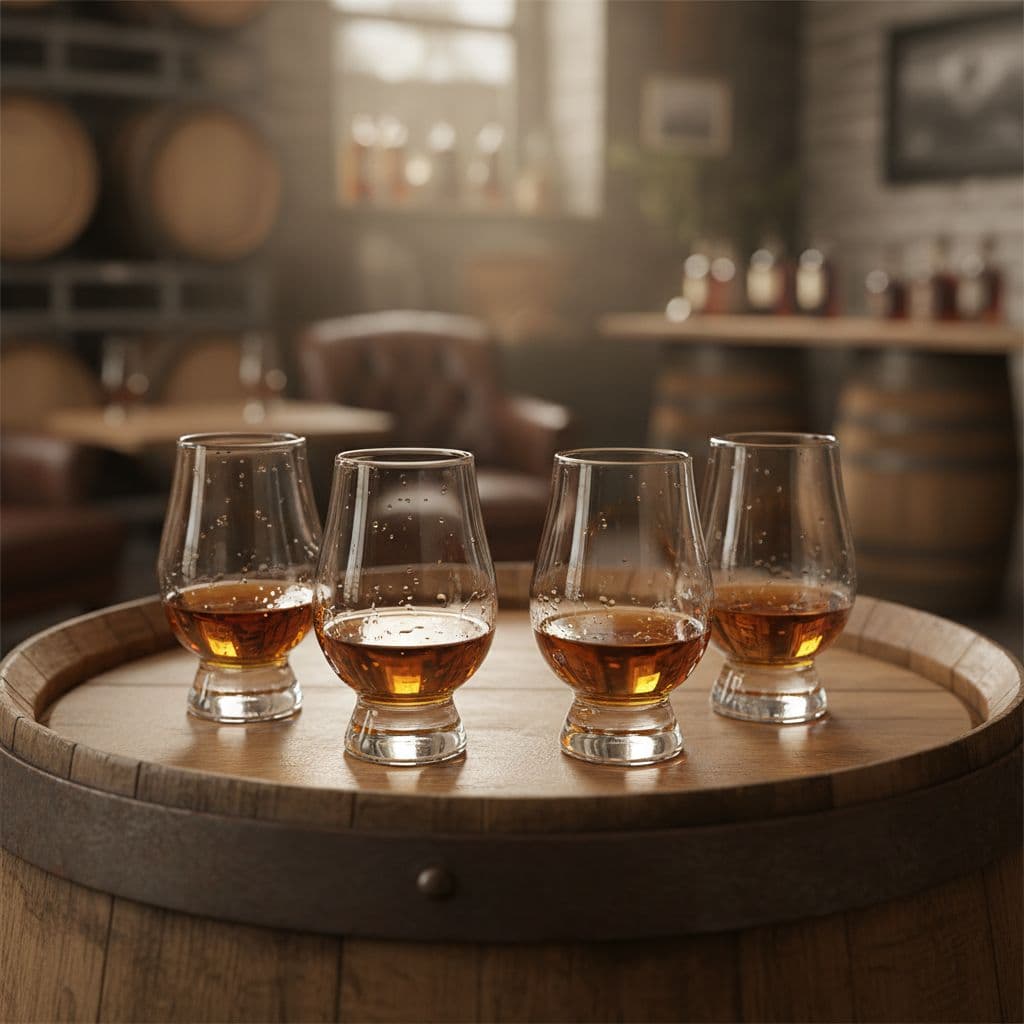
Flights are normally served in small pours, often in tasting glasses lined up on a board or tray. You won’t get a large measure, and that’s the point. A tasting is about comparing style, not drinking quickly. As you move through the flight, you may notice common notes like vanilla, caramel, oak, spice, nuts, or dried fruit. Some bourbons feel sweet and soft. Others lean peppery, smoky, or dry.
The good news is that there’s no exam at the end. You don’t need a perfect nose or a long list of tasting terms. You only need enough confidence to notice what you enjoy.
If one bourbon reminds you of toffee and another tastes too sharp, that’s already a useful tasting note.
You can keep the process very simple:
That’s enough to taste with purpose. Fancy words don’t matter. Personal preference does.
A few smart questions can teach you more than any label. Ask about the mash bill, because the grain mix shapes the flavour. Higher rye often means more spice. More wheat can bring softness and sweetness.
You can also ask how long the bourbon aged and what level of barrel char the distillery uses. Barrel char affects colour, smoke, and the kind of oak notes you pick up in the glass. If a host mentions a bottled-in-bond release, ask what that means. It tells you the bourbon follows a strict rule set, including one distilling season, at least four years of ageing, and bottling at 50 percent ABV.
Single barrel pours are worth asking about too. They can show how much one barrel can differ from another, even within the same label. The point isn’t to sound clever. It’s to leave knowing why one pour became your favourite.
A great bourbon day has a rhythm. Book ahead, start with food, carry water, and leave breathing room between stops. That sounds obvious, yet many trips go wrong because people treat tastings like errands. They rush in, rush out, and miss the pleasure of the place.
Safety comes first. Pick a sober driver, hire transport, or build the trip around a tour plan. Even small pours add up over the day. In addition, drink water after every tasting and sit down for lunch before moving on. Kentucky cuisine helps here. A proper meal can steady the pace better than a packet of crisps ever will.
Dress is usually smart-casual. You don’t need anything fancy, but clean shoes and neat clothes feel right in most tasting rooms. Bottle shops are part of the fun, though buy with care. Carrying fragile bottles around all day, especially in warm weather, isn’t ideal. If you can, save your main shopping for the last stop.
Tipping depends on the setting. Standard retail purchases don’t usually call for it, but a helpful private tasting host or attentive guide may merit one.
The smoothest bourbon tours are rarely the busiest. They are the ones with space to pause.
Spring and autumn are the easiest seasons for most travellers. The weather is milder, the scenery looks its best, and country drives feel part of the holiday. Autumn has extra appeal because the trees add colour, though it can also bring more demand.
Summer can still work, but heat and crowds may make warehouse tours feel heavier. Winter has its own charm if you like quieter roads, easier bookings, and a slower pace. Midweek visits often beat weekends whatever the season. You’ll usually find better availability and a calmer atmosphere.
The biggest mistake is overbooking. Too many distilleries in one day turns the trip into a checklist. After that, everything starts to blur together.
Skipping food causes trouble fast. So does underestimating driving time between rural stops. Another common error is buying bottles early, then hauling them from one car park to the next. Some travellers also chase only the famous names and miss smaller places that suit their taste better.
In short, less is often more. Two good visits you remember beat five you barely do.
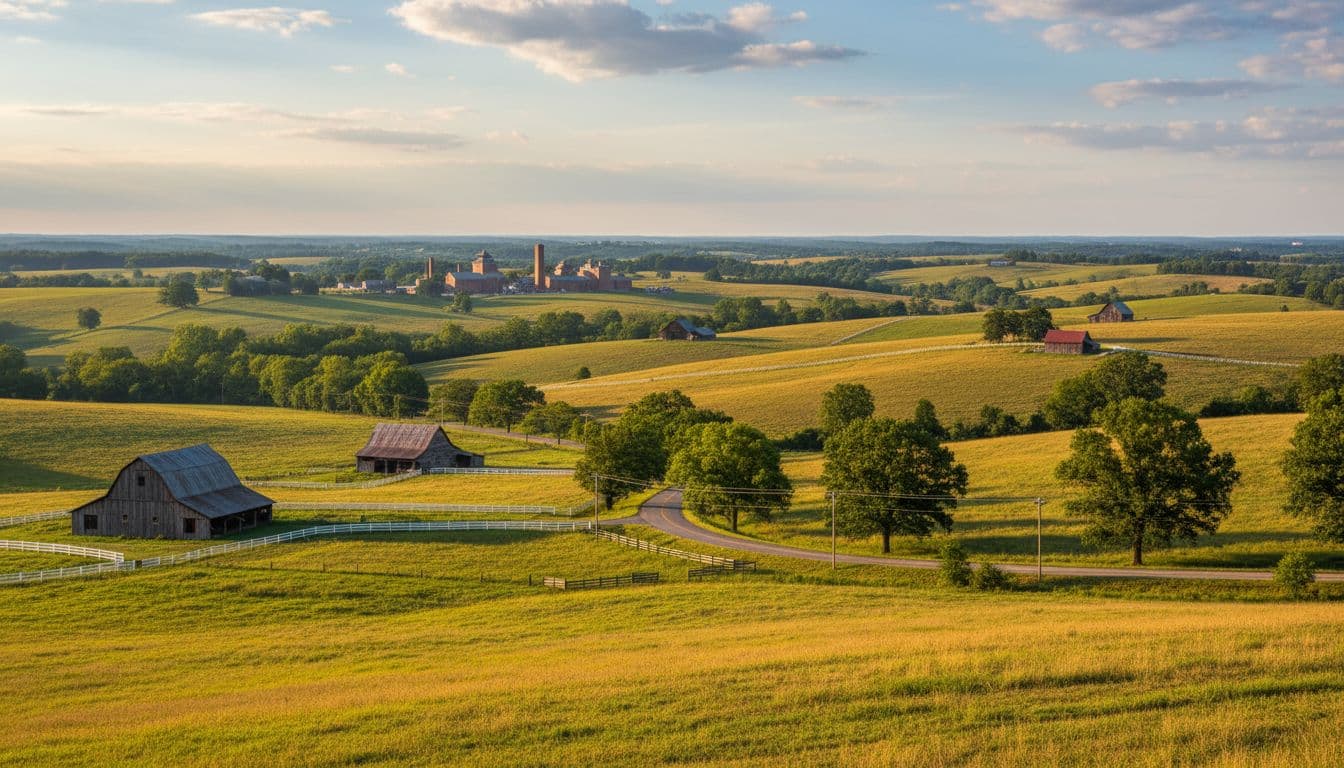
Bourbon may be the reason you go, but it shouldn’t be the only thing you see. Kentucky rewards slower travel. The roads between distilleries pass stone fences, barns, horse paddocks, and towns that seem to keep their own time. That setting gives the tasting tour its soul.
Try pairing a morning visit with a long lunch in a historic town square. Later, take the scenic route instead of the fastest one. Walk a main street, browse a small shop, or stop for coffee before the next pour. Those gaps between tastings help the whole trip breathe.
Kentucky also suits travellers who aren’t bourbon experts. One person may love the distillery history. Another may prefer the landscape, the food, or the music. Because of that, the trip works well for couples, friends, and mixed groups.
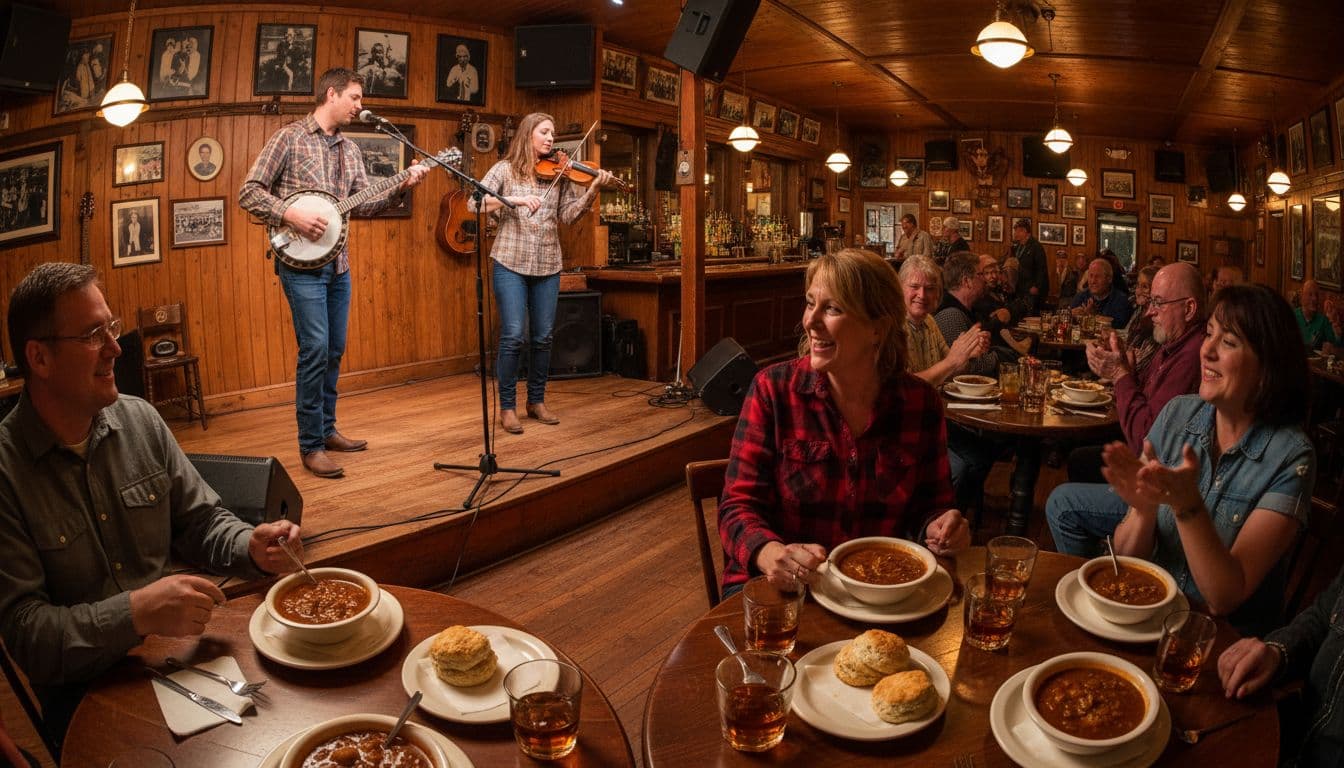
The most memorable bourbon tours usually end with a good meal. Kentucky classics like burgoo, biscuits, barbecue, hot browns, or fried chicken sit beautifully alongside a pour or a simple cocktail. After a day of tasting, hearty food feels less like an extra and more like part of the plan.
Local bars and music venues add another layer. A quiet evening with live bluegrass can say more about the state than any tasting note ever could. You hear a fiddle, the room relaxes, and the whole day starts to make sense.
That’s why a bourbon trip stays with people. It isn’t only about age statements or rare bottles. It’s the mix of flavour, place, and pace that turns a tasting tour into a proper Kentucky memory.
A bourbon tasting tour of Kentucky works best when you keep it focused. Pick a few strong stops, learn as you taste, and let the wider setting do some of the work. Plan ahead, travel safely, and choose the style of trip that suits you, whether that means city tastings, scenic back roads, or a slower stay in bourbon country. In the end, the best bourbon tour is the one that leaves you wanting one more day in Kentucky.